
For athletes and active individuals, the difference between good performance and great performance often comes down to how well the body functions beneath the surface. Circulation plays a vital role in this, delivering oxygen and nutrients to muscles while removing waste products that cause fatigue. When circulation is poor, muscles tighten, energy drops, and recovery slows — all of which limit performance potential.
Sports massage offers one of the most effective ways to improve circulation and boost overall physical performance. By stimulating blood flow, relaxing tight tissue, and enhancing oxygen delivery, it helps the body work more efficiently and recover more quickly. This post explores the science behind how sports massage enhances circulation and the many ways it benefits both performance and long-term physical health.
Understanding Circulation and Athletic Performance
Circulation is the body’s natural delivery system, responsible for transporting oxygen, nutrients, and hormones to tissues while carrying away waste products. For athletes, efficient circulation is essential — it fuels endurance, accelerates recovery, and supports optimal muscle function.
- Delivers oxygen and nutrients to working muscles.
- Removes lactic acid and metabolic waste efficiently.
- Supports healthy joints and connective tissue resilience.
- Maintains consistent energy and performance output.
How Sports Massage Stimulates Blood Flow
Sports massage works by applying pressure and movement to soft tissues, encouraging blood to flow more freely through muscles and surrounding areas. This increase in circulation brings fresh oxygen and nutrients to the cells, speeding recovery and enhancing strength.
- Increases capillary permeability, improving nutrient exchange.
- Enhances venous return, helping remove carbon dioxide and waste.
- Stimulates arterial flow for better muscle oxygenation.
- Warms tissue, increasing elasticity and flexibility before exercise.
The Role of Lymphatic Circulation in Recovery
In addition to blood flow, the lymphatic system plays a crucial part in athletic recovery. This system clears waste, toxins, and excess fluid from the body. Sports massage boosts lymphatic drainage, reducing swelling and promoting faster healing after training or competition.
- Stimulates lymphatic movement to remove waste products.
- Reduces inflammation and fluid build-up in muscles and joints.
- Supports immune system function during recovery periods.
- Encourages detoxification and tissue repair through improved drainage.
Enhancing Oxygen Delivery to Muscles
Muscles rely on oxygen to perform efficiently. When oxygen delivery is restricted, fatigue and cramps develop more quickly. Sports massage improves circulation to ensure muscles receive the oxygen they need for energy production and endurance.
- Expands blood vessels to increase oxygen supply to tissues.
- Reduces muscular tightness that restricts oxygen flow.
- Improves energy metabolism by supporting efficient oxygen exchange.
- Delays fatigue, helping sustain higher performance levels for longer.
Reducing Muscle Fatigue and Soreness
Muscle fatigue occurs when waste products like lactic acid accumulate faster than the body can clear them. By improving circulation, sports massage speeds up the removal of these byproducts, reducing soreness and stiffness after exercise.
- Flushes lactic acid and metabolic waste from tired muscles.
- Reduces inflammation caused by repetitive strain or overuse.
- Restores fluid balance within the muscle tissue.
- Shortens recovery time between training sessions or events.
Preparing Muscles for Performance
Pre-event sports massage can significantly enhance performance by priming the muscles for activity. Improved blood flow before exercise warms up tissues, increases flexibility, and prepares the body for optimal movement and reduced injury risk.
- Increases muscle temperature and elasticity.
- Enhances joint mobility and range of motion.
- Stimulates neuromuscular activation for improved responsiveness.
- Prepares the body mentally and physically for exertion.
Supporting Post-Event Recovery
After intense training or competition, the body needs time to recover. Sports massage supports this process by enhancing circulation, which helps reduce inflammation, prevent stiffness, and restore normal function more quickly.
- Promotes faster nutrient and oxygen delivery to repair tissues.
- Reduces swelling and stiffness through improved fluid movement.
- Prevents the formation of adhesions and scar tissue.
- Encourages relaxation, helping the body recover more efficiently.
The Link Between Circulation and Flexibility
Tight muscles restrict movement and blood flow, leading to reduced performance and increased injury risk. Sports massage loosens these tissues, restoring circulation and flexibility while promoting smoother, more coordinated movement patterns.
- Breaks down adhesions that limit tissue elasticity.
- Encourages blood flow through deeper muscle layers.
- Enhances joint mobility through improved soft tissue function.
- Promotes balanced movement and improved athletic efficiency.
How Massage Influences the Nervous System
Circulation isn’t purely mechanical — it’s also controlled by the nervous system. Sports massage helps calm the sympathetic “fight or flight” response while activating the parasympathetic “rest and digest” system, allowing the body to enter a state conducive to recovery and healing.
- Reduces stress-related tension that restricts circulation.
- Promotes deep relaxation and muscle release.
- Supports better sleep and hormonal balance for recovery.
- Creates conditions for optimal blood and oxygen flow.
The Role of Massage in Injury Prevention
Healthy circulation keeps muscles nourished and flexible, reducing the likelihood of strains and tears. Regular sports massage maintains tissue health and detects areas of tension before they develop into injuries.
- Identifies tight or imbalanced muscle groups early.
- Improves tissue resilience and reduces the risk of overuse injuries.
- Keeps fascia and connective tissue supple for optimal function.
- Encourages consistent recovery to prevent cumulative strain.
Supporting the Healing Process
When injury does occur, circulation becomes even more important. Sports massage aids recovery by increasing nutrient and oxygen supply to damaged tissue and stimulating repair mechanisms. It also helps prevent scar tissue from forming excessively.
- Increases blood flow to injured areas to promote healing.
- Reduces inflammation and muscle guarding around injuries.
- Supports healthy collagen alignment during tissue repair.
- Restores normal circulation as recovery progresses.
Boosting Athletic Endurance
Improved circulation translates directly to better endurance. When blood flow is efficient, muscles receive a steady supply of oxygen and nutrients, enabling athletes to perform longer without fatigue. Massage keeps these systems functioning at peak capacity.
- Supports energy production through improved oxygen uptake.
- Delays fatigue by reducing metabolic waste accumulation.
- Enhances stamina through consistent blood flow and recovery.
- Improves training efficiency by reducing recovery time.
Optimising Performance Through Consistency
Consistency is key to long-term improvement. Regular sports massage sessions help maintain optimal circulation and muscle health, preventing the dips in performance caused by tightness or slow recovery. Over time, this consistency leads to greater progress and resilience.
- Promotes ongoing flexibility and tissue mobility.
- Keeps circulation efficient through routine maintenance.
- Reduces downtime by addressing minor issues early.
- Supports steady improvement in strength and performance.
Combining Massage with Other Recovery Strategies
Sports massage works best as part of a wider recovery plan. When combined with hydration, nutrition, stretching, and rest, it maximises the body’s ability to repair and adapt to training. The goal is not just recovery but peak readiness for the next challenge.
- Pair massage with proper nutrition to fuel cellular repair.
- Stay hydrated to support healthy blood flow and lymphatic drainage.
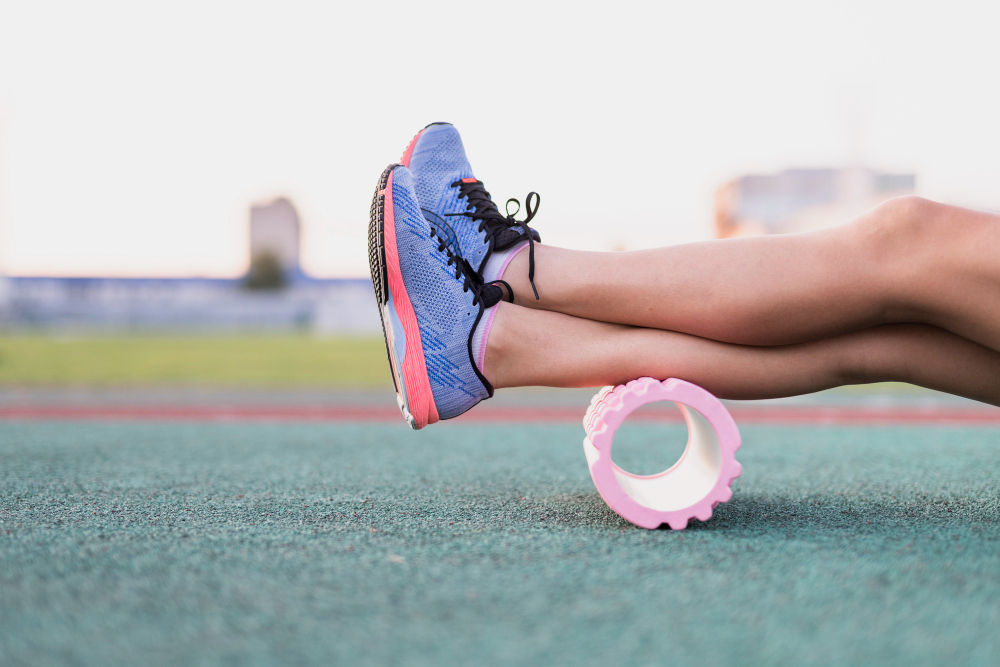
- Use stretching and foam rolling to complement soft tissue work.
- Prioritise rest and sleep to consolidate recovery benefits.
The Long-Term Benefits for Athletes
Beyond circulation, regular sports massage supports total body performance. It improves awareness, posture, and coordination while preventing overtraining fatigue. Over time, it becomes an essential tool for maintaining athletic longevity and wellbeing.
- Enhances proprioception and body awareness.
- Reduces the effects of repetitive strain and muscular fatigue.
- Supports joint stability and balanced muscle function.
- Extends athletic performance through consistent care.
Conclusion
Sports massage is more than a recovery tool — it’s a performance enhancer rooted in science. By improving circulation, it boosts oxygen delivery, removes waste products, reduces inflammation, and maintains flexibility. These effects not only speed up recovery but also optimise how the body performs day after day.
For athletes, the benefits of enhanced circulation go beyond the physical. Better blood flow supports mental clarity, energy, and resilience, allowing training and competition to feel more sustainable. Whether you’re a professional athlete or someone striving for personal fitness goals, incorporating sports massage into your routine is one of the most effective ways to support performance, recovery, and long-term health.

5 star reviews

Proven results

Holistic healing

REVIEWS
What clients have to say
Hypnotherapy has totally changed my outlook on life and changed me to thinking much more positive. Ian was very professional and his treatment room is a lovely relaxing space. I can’t thank Ian enough for everything.
Ian very quickly addressed issues I was having with just a conversation this is due to his extensive knowledge within the industry. This allowed him to get straight to work on each muscle group to relieve my pain and symptoms.
Everything was easy to understand, and he gave me certain activities to complete, through the day, and prior to going to bed in the evening, and the results are amazing. I am sleeping a lot better, find it easier to fall asleep, but the main thing for me was waking up less through the night.
From the beginning of the therapy my sleep improved and gradually over the sessions my symptoms reduced. By the end of my course of therapy I felt much stronger and empowered to deal with daily life.
If you struggle with food noise or feel like food thoughts dominate your day, I would definitely recommend giving hypnotherapy with Ian a try. It’s been a surprisingly empowering experience.
I saw Ian for four hypnotherapy sessions to help with my long-standing fear of flying, and the results were amazing. He created a calm, supportive environment and guided me through techniques that helped shift my mindset.
I believe hypnotherapy has helped me to reverse a lot of and allowed my thought patterns to become more positive. This has given me the belief that I will get better.
The way Ian explained the root cause and how hypnotherapy could help made sense and I bought into this from day one. I started to feel improvement after my first session and after 3 sessions the difference was massive.
After a few weeks I felt more positive, relaxed and was sleeping better. I still have some work to do but I feel Ian has provided me with the tools to make positive changes moving forward.