
Cycling demands power, stamina, and controlled movement — all driven by the hips and hamstrings. Whether you ride competitively or for fitness, tightness in these areas can quickly become a familiar companion. The repetitive pedalling motion places sustained load on the hip flexors, glutes, quads, and hamstrings, often leading to imbalances, reduced range of motion, and discomfort both on and off the bike.
Sports massage plays a vital role in improving mobility, supporting muscle balance, and preventing injury for cyclists. By targeting the deeper layers of muscle and fascia, massage works to release tension, increase circulation, and support healthy biomechanics. In this post, we explore how massage benefits cyclists, why the hips and hamstrings are particularly vulnerable, and how consistent treatment helps keep you moving efficiently and pain-free.
Understanding Cycling-Related Tightness
Cycling primarily occurs in a fixed plane of motion, meaning certain muscles work repeatedly while others become underused. Over time, this creates tight hips and hamstrings that affect posture, power transfer, and comfort. Recognising this pattern helps cyclists stay ahead of mobility and recovery needs.
- Tight hip flexors shorten with repeated seated cycling posture.
- Hamstrings compensate when glutes become inhibited or fatigued.
- Limited mobility affects pedal stroke efficiency and comfort.
- Massage restores balance by releasing overworked tissue.
Why the Hips Play a Central Role in Cycling
The hips are the powerhouse of the cycling movement, driving knee lift and leg extension. When hip muscles tighten, they restrict movement and place additional pressure on surrounding muscles and joints. Loosening these areas helps restore mobility and supports stronger, more fluid cycling form.
- Hip flexors control leg lift and positioning while pedalling.
- Tight psoas and quadriceps affect lumbar spine alignment.
- Glute tightness and weakness influence hip stability.
- Massage reduces tension and encourages healthy hip function.
Hamstring Strain and Fatigue in Cyclists
Hamstrings assist in the pedal stroke, particularly during the pull phase. When they become tight or fatigued, they strain easily and limit performance. Massage works to lengthen and restore elasticity, reducing injury risk and improving overall pedal power.
- Tight hamstrings reduce stride length and mobility.
- Post-ride stiffness increases without targeted recovery.
- Muscle fibres respond positively to deep tissue manipulation.
- Massage encourages flexibility and improved tissue health.
The Role of Fascia in Cycling Tightness
Fascia surrounds and supports muscles, but repetitive use can cause it to thicken and restrict movement. Cyclists often experience fascial tension along the hip and posterior chain, contributing to stiffness and discomfort. Manual therapy releases these restrictions for smoother movement.
- Fascial adhesions form from repeated cycling load.
- Tension restricts muscle glide and joint mobility.
- Targeted massage breaks down fascial tightness.
- Improved fascial movement enhances flexibility and power.
Improving Circulation for Better Performance
Cycling builds strength and stamina but can lead to reduced blood flow in tightened tissues. Massage stimulates circulation, delivering oxygen and nutrients to working muscles while helping remove metabolic waste. Enhanced blood flow improves recovery and performance.
- Increases oxygen delivery to fatigued muscle groups.
- Helps reduce inflammation and muscle soreness.
- Supports faster post-ride recovery sessions.
- Enhances endurance through improved tissue oxygenation.
Rebalancing Muscular Compensation Patterns
Cyclists often develop imbalances, particularly between quads, hamstrings, and glutes. When one group becomes too dominant, others must work harder. Massage supports symmetry by targeting overactive muscles and awakening underused ones.
- Releases dominant muscles such as quads and hip flexors.
- Supports activation of glutes and deep stabilisers.
- Helps reduce compensation-based strain and fatigue.
- Encourages smoother and more efficient cycling mechanics.
Supporting Lower Back Health
Tight hips and hamstrings can lead to lower back tension due to altered pelvic alignment. Cyclists frequently report lumbar discomfort as a result. Massage relieves this tension by freeing surrounding muscles and restoring balanced pelvic movement.
- Tight hips can increase lumbar lordosis and strain.
- Hamstring tightness pulls on the pelvis and lower spine.
- Massage reduces pulling forces on the lumbar region.
- Better mobility decreases post-ride back discomfort.
Enhancing Flexibility and Range of Motion
Optimised hip and hamstring flexibility allows cyclists to maintain an aerodynamic posture without strain. Massage supports these goals by increasing muscle mobility and reducing stiffness, allowing a comfortable and efficient riding position.
- Extends range of motion through deep tissue release.
- Encourages longer, smoother pedal strokes.
- Reduces tension that limits cycling posture adjustments.
- Supports efficient biomechanical alignment on the bike.
Injury Prevention for Cyclists
Untreated tightness can lead to strains, tendon issues, and recurring injuries. Preventative massage ensures tissues stay healthy, elastic, and resilient. Consistent treatment keeps cyclists moving freely and reduces risk of unexpected setbacks.
- Maintains muscle elasticity to prevent tears.
- Decreases risk of IT band, hamstring, or hip flexor strain.
- Helps detect tight areas before they become painful.
- Encourages body awareness and proactive self-care.
Pairing Massage with Strength and Mobility Work
Massage works best alongside strengthening and mobility exercises that support long-term improvement. Cyclists benefit from balanced glute activation, core stability, and dynamic stretching to complement manual therapy and ensure sustainable performance gains.
- Combine massage with hip mobility drills and stretching.
- Strengthen glutes and core to support pelvic stability.
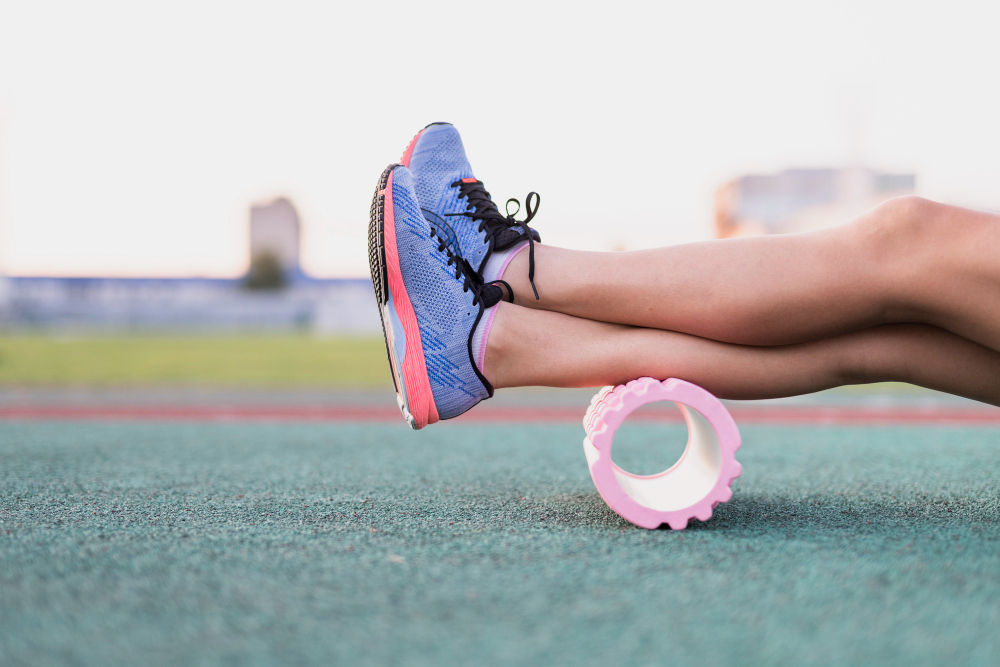
- Use self-release tools like foam rollers between sessions.
- Maintain routine flexibility practice to reinforce results.
Frequency and Consistency for Best Results
Like training, massage works most effectively when performed consistently. Regular sessions support recovery, flexibility, and performance, ensuring the benefits accumulate over time. Cyclists who maintain massage routines often report fewer injuries and smoother training periods.
- Schedule maintenance massage to prevent chronic tightness.
- Increase frequency during intense training or event season.
- Combine professional and home mobility work for best results.
- Monitor progress and adjust frequency as needed.
Conclusion
Cycling is both a rewarding sport and a demanding physical practice, requiring strength, endurance, and mobility. Tight hips and hamstrings are common challenges for riders, but with the support of sports massage, these areas can remain balanced, flexible, and strong. Consistent treatment not only eases discomfort but also improves biomechanics, reduces injury risk, and enhances power transfer on the bike.
By addressing deep tissue tension, improving circulation, and restoring muscular balance, massage provides cyclists with the essential support they need to perform at their best. Whether you ride competitively or simply enjoy the freedom of the road, incorporating regular massage into your training routine keeps your body aligned, mobile, and ready for the miles ahead.

5 star reviews

Proven results

Holistic healing

REVIEWS
What clients have to say
From the beginning of the therapy my sleep improved and gradually over the sessions my symptoms reduced. By the end of my course of therapy I felt much stronger and empowered to deal with daily life.
Hypnotherapy has totally changed my outlook on life and changed me to thinking much more positive. Ian was very professional and his treatment room is a lovely relaxing space. I can’t thank Ian enough for everything.
Everything was easy to understand, and he gave me certain activities to complete, through the day, and prior to going to bed in the evening, and the results are amazing. I am sleeping a lot better, find it easier to fall asleep, but the main thing for me was waking up less through the night.
Ian very quickly addressed issues I was having with just a conversation this is due to his extensive knowledge within the industry. This allowed him to get straight to work on each muscle group to relieve my pain and symptoms.
If you struggle with food noise or feel like food thoughts dominate your day, I would definitely recommend giving hypnotherapy with Ian a try. It’s been a surprisingly empowering experience.
I believe hypnotherapy has helped me to reverse a lot of and allowed my thought patterns to become more positive. This has given me the belief that I will get better.
After a few weeks I felt more positive, relaxed and was sleeping better. I still have some work to do but I feel Ian has provided me with the tools to make positive changes moving forward.
I saw Ian for four hypnotherapy sessions to help with my long-standing fear of flying, and the results were amazing. He created a calm, supportive environment and guided me through techniques that helped shift my mindset.
The way Ian explained the root cause and how hypnotherapy could help made sense and I bought into this from day one. I started to feel improvement after my first session and after 3 sessions the difference was massive.