
Every athlete knows that preparation extends far beyond training. In the moments before a race, match, or competition, the body must be primed to perform at its absolute best — muscles warm, joints mobile, and the mind focused. Pre-event massage plays a crucial role in achieving this readiness, offering both physical and psychological benefits that translate directly to performance.
While post-event massage supports recovery, pre-event massage focuses on preparation. It enhances circulation, loosens tight muscles, sharpens concentration, and helps prevent injury when intensity peaks. In this post, we’ll explore the science and strategy behind pre-event massage, showing how it supports optimal function, improves performance, and prepares athletes — both professional and recreational — to perform at their highest level.
Understanding the Purpose of Pre-Event Massage
Pre-event massage is designed to stimulate rather than relax the body. The goal is to enhance performance by increasing blood flow, improving flexibility, and mentally preparing the athlete for the challenge ahead. It differs from deep tissue or recovery massage by focusing on energy and readiness.
- Uses brisk, stimulating strokes to activate muscle function.
- Increases circulation to deliver oxygen and nutrients rapidly.
- Prepares the nervous system for high-intensity performance.
- Creates mental focus and confidence before competition.
Improving Circulation and Oxygen Delivery
Effective circulation is vital for peak performance. Pre-event massage boosts blood flow, which ensures that working muscles receive the oxygen and nutrients they need while helping remove waste products like carbon dioxide. This improved flow enhances energy levels and reduces fatigue.
- Stimulates capillary expansion for improved nutrient exchange.
- Ensures oxygen-rich blood reaches key performance muscles.
- Warms soft tissue to support elasticity and responsiveness.
- Reduces pre-race fatigue by optimising energy delivery.
Enhancing Flexibility and Range of Motion
Tight or shortened muscles restrict movement and power. Pre-event massage increases muscle pliability and joint mobility, allowing for a greater range of motion. This helps athletes perform more fluidly and reduces the risk of strains or tears during intense activity.
- Lengthens muscle fibres through targeted manipulation.
- Improves joint flexibility and mechanical efficiency.
- Reduces stiffness caused by training load or inactivity.
- Supports smoother, more controlled athletic movements.
Reducing the Risk of Injury
Injury prevention is one of the key benefits of pre-event massage. By preparing muscles, tendons, and ligaments for the physical stress of performance, massage helps reduce the likelihood of strains or pulls. It also increases proprioception — the body’s awareness of movement and position.
- Warms up soft tissues to improve elasticity and resilience.
- Detects tight or vulnerable areas before they become problematic.
- Improves coordination and muscular response times.
- Minimises the risk of sudden strain or muscle spasm during exertion.
The Role of Massage in Muscle Activation
Muscle activation ensures that the correct muscle groups are ready to engage during performance. Pre-event massage stimulates neuromuscular connections, helping muscles fire efficiently and in coordination. This activation improves power output and movement precision.
- Awakens dormant or fatigued muscles before activity.
- Enhances nerve signal transmission to optimise coordination.
- Reinforces balanced engagement between opposing muscle groups.
- Prepares the body for explosive and controlled motion.
Mental Preparation and Focus
Performance is as much mental as physical. Pre-event massage provides a calm yet energising space for athletes to focus their attention and reduce pre-competition anxiety. It helps establish the ideal mental state — alert, confident, and composed.
- Reduces anxiety through controlled breathing and grounding.
- Encourages mental clarity and focus before competition.
- Builds psychological readiness through routine and familiarity.
- Promotes confidence and relaxation in high-pressure settings.
Timing and Duration of Pre-Event Massage
Timing is critical when it comes to pre-event massage. The treatment should take place close enough to the event to maintain warmth and stimulation, but not so close that it causes fatigue. Short, focused sessions are most effective for preparation.
- Schedule massage 30 to 60 minutes before performance.
- Keep sessions brief — typically 10 to 20 minutes.
- Focus on muscles most used in the specific sport.
- Avoid deep pressure to prevent post-massage soreness.
The Difference Between Pre- and Post-Event Massage
While pre-event massage prepares the body, post-event massage restores it. Understanding the distinction between the two ensures that each is used correctly. Pre-event sessions energise and mobilise, whereas post-event sessions calm, recover, and repair.
- Pre-event aims to activate muscles and increase circulation.
- Post-event focuses on detoxifying and reducing inflammation.
- The tempo and pressure differ to suit the body’s state.
- Combining both enhances long-term performance and recovery.
Tailoring Techniques to Each Sport
Every sport places unique demands on the body. A runner’s muscles require different preparation than a swimmer’s or cyclist’s. Pre-event massage techniques should be adapted to suit the athlete’s discipline and individual performance goals.
- Runners benefit from focus on calves, hamstrings, and hips.
- Cyclists require targeted work on quads, glutes, and lower back.
- Swimmers need mobilisation of shoulders, chest, and arms.
- Each session should match sport-specific muscle engagement patterns.
Stimulating the Nervous System for Readiness
Beyond muscles and joints, pre-event massage stimulates the nervous system to enhance responsiveness and alertness. Light, fast-paced techniques excite sensory receptors, helping the body and mind prepare for rapid reaction and peak output.
- Activates sensory nerves for quicker response times.
- Promotes readiness without over-relaxation.
- Balances adrenaline levels for focused energy.
- Sharpens the connection between body and brain.
Managing Pre-Race Tension
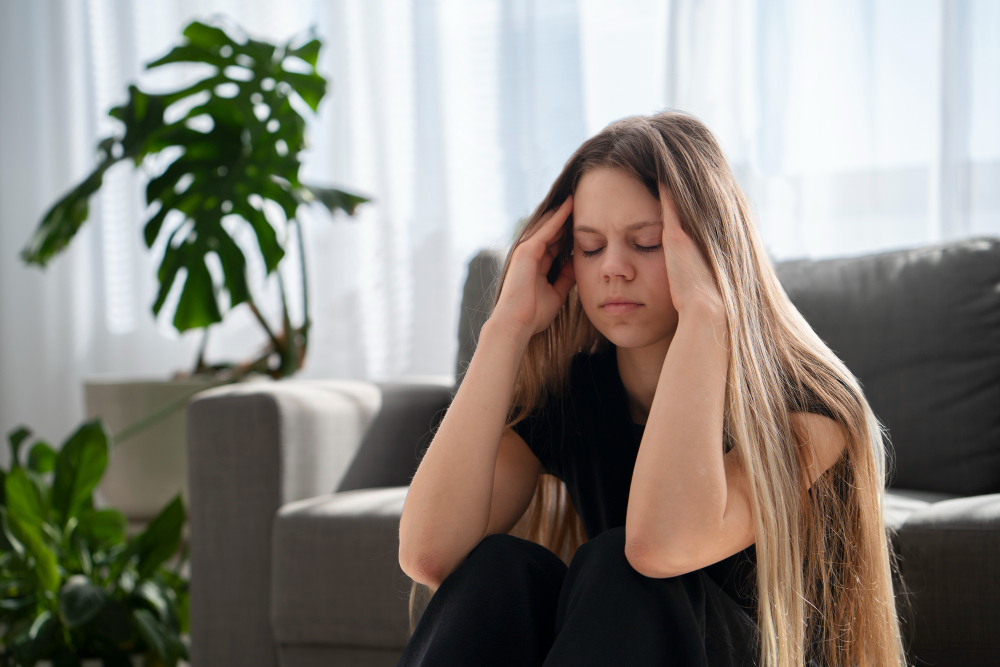
It’s common for athletes to feel a mix of adrenaline and nervousness before competition. Pre-event massage helps manage this tension by balancing the body’s physiological state. It channels nervous energy into focus, preventing stiffness or fatigue caused by anxiety.
- Reduces muscle tightness linked to pre-performance nerves.
- Encourages steady breathing and calm focus.
- Converts nervous energy into productive alertness.
- Prevents mental tension from becoming physical stiffness.
Complementing Warm-Ups and Stretching
Pre-event massage doesn’t replace a warm-up; it enhances it. By increasing temperature and blood flow, massage allows stretching and dynamic movement to be more effective. It ensures that muscles respond smoothly from the first movement of competition.
- Boosts the effectiveness of pre-event warm-up exercises.
- Prepares connective tissue for dynamic stretching.
- Reduces the risk of overstretching cold muscles.
- Works synergistically with warm-up routines for full readiness.
The Role of Pre-Event Massage in Team Sports
In team environments, pre-event massage helps synchronise preparation and morale. When used as part of a pre-match routine, it reduces injury risk while supporting collective focus and cohesion. It becomes part of a team’s rhythm of readiness.
- Creates uniform physical preparation across all players.
- Supports injury prevention for key positions under stress.
- Enhances relaxation and communication within the team.
- Establishes a consistent pre-game routine for confidence.
How Pre-Event Massage Affects Recovery
Preparation influences recovery. Muscles that are properly warmed and oxygenated are less likely to experience microtrauma or delayed soreness. By improving circulation before activity, pre-event massage lays the foundation for faster post-event recovery.
- Reduces microtears by improving elasticity and hydration.
- Supports efficient waste removal during and after activity.
- Decreases post-event fatigue through improved circulation.
- Shortens recovery time between training or competitive events.
When Not to Have a Pre-Event Massage
While beneficial, pre-event massage isn’t suitable in every circumstance. Athletes with injuries, inflammation, or illness should avoid stimulation-based massage until cleared by a professional. Knowing when to rest is just as important as knowing when to activate.
- Avoid massage directly over injuries or swollen tissue.
- Skip sessions if illness or fever is present.
- Postpone treatment after deep-tissue work to prevent soreness.
- Always consult a therapist familiar with your sport and needs.
Incorporating Pre-Event Massage into a Training Plan
The best results come from consistency. Athletes should build massage into their weekly routine, not only before competition but throughout training. Regular sessions help track tightness, maintain flexibility, and reduce cumulative strain.
- Schedule periodic sports massage during training cycles.
- Combine pre-event massage with ongoing maintenance work.
- Use sessions to monitor developing tension or imbalance.
- Build familiarity with the therapist for tailored preparation.
Long-Term Benefits for Athletes
Beyond immediate readiness, pre-event massage provides cumulative benefits. Regular sessions improve overall muscular health, flexibility, and awareness — all key factors in sustainable performance. Athletes who make massage part of their long-term plan tend to perform consistently and recover faster.
- Builds lasting muscle resilience and elasticity.
- Encourages better movement awareness and coordination.
- Reduces the likelihood of recurring injury or strain.
- Supports consistent performance through balanced preparation.
Conclusion
Peak performance depends on preparation — not only in training but in how the body and mind are primed before competition. Pre-event massage is one of the most effective tools for achieving that readiness. It stimulates circulation, activates muscles, improves flexibility, and creates the mental focus needed to perform with confidence and precision.
When used strategically, pre-event massage bridges the gap between training and performance. It prepares the athlete holistically — physically energised, mentally calm, and emotionally focused. Whether you’re competing at a professional level or striving for a personal best, integrating pre-event massage into your preparation routine helps unlock your full potential and keeps you performing at your peak when it matters most.

5 star reviews

Proven results

Holistic healing
REVIEWS
What clients have to say
Hypnotherapy has totally changed my outlook on life and changed me to thinking much more positive. Ian was very professional and his treatment room is a lovely relaxing space. I can’t thank Ian enough for everything.
Ian very quickly addressed issues I was having with just a conversation this is due to his extensive knowledge within the industry. This allowed him to get straight to work on each muscle group to relieve my pain and symptoms.
Everything was easy to understand, and he gave me certain activities to complete, through the day, and prior to going to bed in the evening, and the results are amazing. I am sleeping a lot better, find it easier to fall asleep, but the main thing for me was waking up less through the night.
If you struggle with food noise or feel like food thoughts dominate your day, I would definitely recommend giving hypnotherapy with Ian a try. It’s been a surprisingly empowering experience.
From the beginning of the therapy my sleep improved and gradually over the sessions my symptoms reduced. By the end of my course of therapy I felt much stronger and empowered to deal with daily life.
After a few weeks I felt more positive, relaxed and was sleeping better. I still have some work to do but I feel Ian has provided me with the tools to make positive changes moving forward.
I believe hypnotherapy has helped me to reverse a lot of and allowed my thought patterns to become more positive. This has given me the belief that I will get better.
I saw Ian for four hypnotherapy sessions to help with my long-standing fear of flying, and the results were amazing. He created a calm, supportive environment and guided me through techniques that helped shift my mindset.
The way Ian explained the root cause and how hypnotherapy could help made sense and I bought into this from day one. I started to feel improvement after my first session and after 3 sessions the difference was massive.