
Emotional strain is something almost everyone experiences at some point in life. Whether it stems from relationship difficulties, family pressures, work-related stress, grief, uncertainty, major life changes, or simply the accumulation of everyday challenges, emotional strain can leave a lasting impact on both the mind and body. While people often focus on the emotional aspects of stress, the effects frequently extend much further, influencing sleep, energy levels, concentration, physical comfort, and overall wellbeing.
When emotional strain continues for long periods, it can feel as though the body and mind are constantly working to keep up. Many people describe feeling overwhelmed, mentally exhausted, emotionally drained, or disconnected from themselves. During these times, practices that encourage rest, reflection, and recovery can become particularly valuable.
Reiki is one such practice. Known for its gentle and calming approach, Reiki is often used to support relaxation, emotional wellbeing, and a greater sense of balance during challenging periods of life.
Understanding Emotional Strain
Emotional strain occurs when the demands placed upon a person exceed their current capacity to cope comfortably.
This does not necessarily mean experiencing a major crisis. In many cases, emotional strain develops gradually through a series of smaller challenges that accumulate over time.
Work pressures, financial concerns, family responsibilities, health worries, and relationship difficulties can all contribute to this growing burden.
When emotional resources become depleted, maintaining balance becomes increasingly difficult.
- Develops through ongoing pressures
- Can result from major or minor challenges
- Affects emotional resilience
- Impacts overall wellbeing
How Emotional Strain Affects the Body
Although emotional strain is often thought of as a mental experience, it frequently manifests physically as well.
People experiencing prolonged emotional stress may notice muscular tension, headaches, digestive discomfort, fatigue, restlessness, or disrupted sleep.
This occurs because the body responds to emotional challenges through the nervous system, hormones, and physiological stress responses.
Over time, these physical effects can reinforce emotional exhaustion and make recovery more difficult.
- Creates physical tension
- Influences sleep quality
- Contributes to fatigue
- Affects physical comfort
Why Recovery Often Gets Overlooked
Many people recognise the importance of physical recovery after exercise or illness, yet emotional recovery is often neglected.
Life responsibilities rarely pause simply because someone feels emotionally overwhelmed. As a result, people often continue pushing forward without allowing themselves time to recover.
This ongoing pressure can prolong emotional strain and make it harder to regain a sense of balance.
Recovery is not a sign of weakness. It is an essential part of maintaining wellbeing.
- Emotional recovery is often ignored
- Responsibilities continue despite stress
- Recovery supports resilience
- Rest is an important requirement
What Reiki Is
Reiki is a gentle holistic practice designed to encourage relaxation, balance, and overall wellbeing.
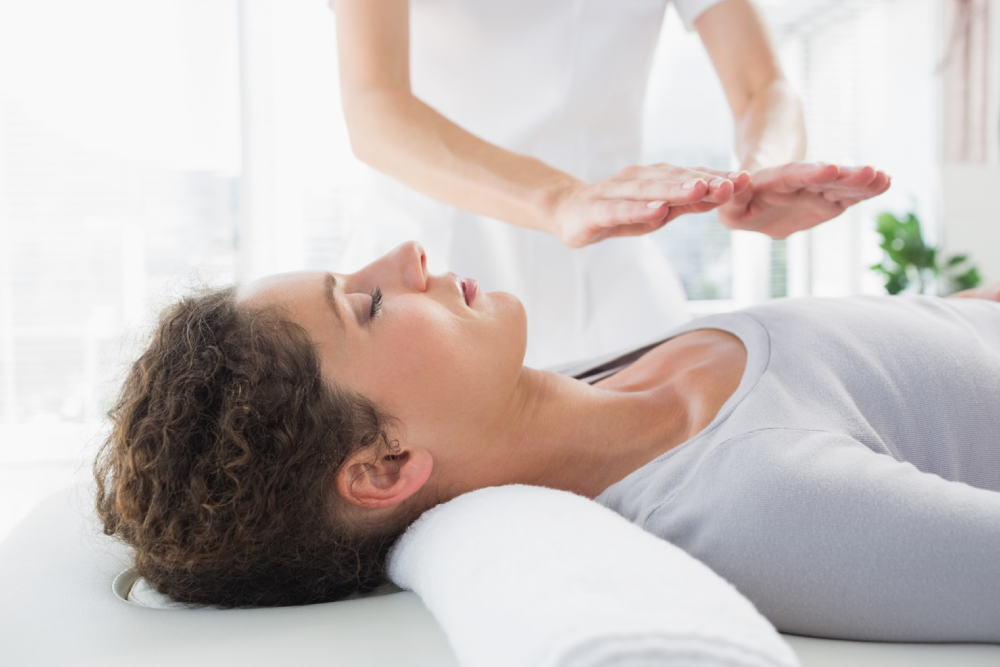
Sessions are typically conducted in a calm environment where the client remains fully clothed while the practitioner uses light touch or places their hands just above the body.
Unlike therapies focused on physical manipulation or intense emotional processing, Reiki provides a quiet and supportive experience.
Many people seek Reiki because it offers an opportunity to slow down and reconnect with a sense of calm.
- Gentle and non-invasive
- Focuses on balance and wellbeing
- Encourages relaxation
- Supports emotional recovery
Creating a Safe Space to Slow Down
One of the most valuable aspects of Reiki is the environment it creates.
Modern life often encourages constant activity, productivity, and problem-solving. During emotional strain, this can leave little room for reflection or rest.
A Reiki session provides dedicated time where there are no expectations, deadlines, or demands.
This safe and peaceful space can help the mind and body begin shifting away from stress.
- Provides uninterrupted quiet time
- Reduces external pressures
- Encourages rest and reflection
- Supports emotional decompression
Supporting Nervous System Regulation
The nervous system plays a central role in emotional wellbeing.
When emotional strain becomes prolonged, the nervous system may remain in a heightened state of alertness. This can make it difficult to relax, sleep, or feel emotionally settled.
Reiki encourages a calmer physiological state, supporting a shift towards rest and recovery.
As the nervous system settles, emotional tension often begins to ease as well.
- Encourages nervous system balance
- Supports relaxation responses
- Reduces feelings of overwhelm
- Promotes emotional steadiness
Helping Release Physical Tension
Emotional strain often accumulates physically without people realising it.
The shoulders, neck, jaw, chest, and lower back are common areas where tension develops during stressful periods.
Reiki’s deeply relaxing nature may help the body release some of this stored tension naturally.
As physical discomfort reduces, many people feel more comfortable and emotionally settled.
- Supports muscular relaxation
- Reduces physical tightness
- Encourages bodily comfort
- Helps ease stress-related tension
Encouraging Emotional Release
Emotions are not always processed immediately. Sometimes stress, sadness, frustration, or grief remain beneath the surface for extended periods.
Reiki can provide a supportive environment where emotional pressure begins to soften.
For some people, this may involve a sense of relief, clarity, or emotional lightness following a session.
The experience is often subtle rather than dramatic, but can still feel meaningful.
- Supports emotional decompression
- Encourages release of built-up pressure
- Promotes emotional clarity
- Helps reduce emotional heaviness
Quieting an Overactive Mind
Emotional strain frequently leads to mental overactivity.
People may replay conversations, worry about future events, analyse situations repeatedly, or struggle to switch off mentally.
This constant internal activity can become exhausting and make emotional recovery more difficult.
Reiki encourages stillness, helping create space away from relentless thinking.
- Reduces mental clutter
- Encourages inner calm
- Supports present-moment awareness
- Promotes mental relaxation
Restoring a Sense of Balance
When emotional strain becomes overwhelming, many people describe feeling disconnected from themselves.
Their attention becomes focused entirely on coping with external demands rather than maintaining personal wellbeing.
Reiki helps create an opportunity to reconnect with feelings of calm, stability, and self-awareness.
This renewed sense of balance often supports healthier decision-making and emotional regulation.
- Encourages emotional grounding
- Supports self-awareness
- Promotes inner stability
- Helps restore perspective
Supporting Better Sleep During Difficult Times
Sleep is often one of the first areas affected by emotional strain.
Worry, stress, and mental overactivity can make it difficult to fall asleep or stay asleep throughout the night.
Because Reiki promotes relaxation and nervous system calming, many individuals find it supports better sleep quality.
Improved sleep often has a positive effect on emotional wellbeing and resilience.
- Encourages relaxation before sleep
- Supports better rest quality
- Helps reduce bedtime stress
- Promotes emotional recovery
Complementing Other Forms of Support
Reiki is often most effective when viewed as part of a broader wellbeing strategy.
Many people combine Reiki with counselling, mindfulness, exercise, journalling, meditation, or other supportive practices.
Rather than replacing these approaches, Reiki complements them by providing additional opportunities for relaxation and emotional restoration.
A holistic approach often supports more sustainable wellbeing.
- Works alongside other therapies
- Complements emotional support strategies
- Encourages holistic wellbeing
- Supports balanced self-care
Building Emotional Resilience Over Time
Emotional resilience is not about avoiding stress altogether. It is about developing the ability to recover from challenges more effectively.
Regular opportunities for relaxation and self-care help strengthen this capacity.
By encouraging calm, balance, and recovery, Reiki may support individuals in building greater resilience over time.
This can make future challenges feel more manageable.
- Supports long-term resilience
- Encourages recovery from stress
- Promotes emotional flexibility
- Helps maintain balance
Why Self-Care Matters During Emotional Strain
When people feel emotionally overwhelmed, self-care is often the first thing they neglect.
However, these periods are often when supportive practices are needed most.
Taking time to prioritise wellbeing can help prevent emotional strain from becoming even more overwhelming.
Reiki provides a gentle reminder that caring for yourself is an important part of coping effectively.
- Encourages self-care habits
- Supports emotional wellbeing
- Helps prevent burnout
- Promotes healthier coping strategies
Conclusion
Emotional strain affects far more than thoughts and feelings alone. It influences the nervous system, physical comfort, sleep, energy levels, and overall wellbeing. When stress, grief, uncertainty, or emotional pressure continue for extended periods, restoring balance becomes an essential part of recovery. Reiki offers a gentle and supportive way to create space for that process through relaxation, nervous system regulation, emotional release, and physical comfort.
While every individual’s experience is unique, many people find Reiki provides a valuable opportunity to slow down, reconnect with themselves, and begin releasing the tension that emotional strain often creates. As part of a wider wellbeing approach, it can help support emotional recovery and encourage a greater sense of calm, balance, and resilience during life’s more challenging moments.

5 star reviews

Proven results

Holistic healing
REVIEWS
What clients have to say
From the beginning of the therapy my sleep improved and gradually over the sessions my symptoms reduced. By the end of my course of therapy I felt much stronger and empowered to deal with daily life.
If you struggle with food noise or feel like food thoughts dominate your day, I would definitely recommend giving hypnotherapy with Ian a try. It’s been a surprisingly empowering experience.
Hypnotherapy has totally changed my outlook on life and changed me to thinking much more positive. Ian was very professional and his treatment room is a lovely relaxing space. I can’t thank Ian enough for everything.
Everything was easy to understand, and he gave me certain activities to complete, through the day, and prior to going to bed in the evening, and the results are amazing. I am sleeping a lot better, find it easier to fall asleep, but the main thing for me was waking up less through the night.
Ian very quickly addressed issues I was having with just a conversation this is due to his extensive knowledge within the industry. This allowed him to get straight to work on each muscle group to relieve my pain and symptoms.
The way Ian explained the root cause and how hypnotherapy could help made sense and I bought into this from day one. I started to feel improvement after my first session and after 3 sessions the difference was massive.
I believe hypnotherapy has helped me to reverse a lot of and allowed my thought patterns to become more positive. This has given me the belief that I will get better.
After a few weeks I felt more positive, relaxed and was sleeping better. I still have some work to do but I feel Ian has provided me with the tools to make positive changes moving forward.
I saw Ian for four hypnotherapy sessions to help with my long-standing fear of flying, and the results were amazing. He created a calm, supportive environment and guided me through techniques that helped shift my mindset.