
The human body has an extraordinary ability to heal itself. Every day, countless biological processes work quietly in the background to repair damaged tissue, regulate body systems, fight infection, and restore balance after physical or emotional stress. While modern medicine plays an essential role in treating illness and injury, many people also explore complementary therapies that encourage relaxation and support the body’s own recovery mechanisms. Reiki is one such therapy that has grown in popularity among people seeking a holistic approach to wellbeing.
Rather than treating specific medical conditions directly, Reiki focuses on creating an environment that encourages relaxation, balance, and overall wellbeing. Many people describe feeling calmer, lighter, and more centred after a Reiki session, while others notice improvements in sleep, stress levels, or their ability to cope with physical discomfort. Although experiences vary from person to person, Reiki is widely valued for its ability to complement conventional healthcare by supporting the body’s natural healing processes rather than replacing medical treatment.
Understanding the Body’s Natural Healing Ability
The body is constantly working to maintain balance and repair itself.
Cuts gradually heal, muscles recover after exercise, bones remodel following injury, and the immune system responds to harmful bacteria and viruses. These natural healing processes continue throughout life, often without us even noticing.
Recovery depends on many factors, including rest, nutrition, circulation, sleep, and emotional wellbeing.
When these systems work together effectively, the body is better equipped to restore itself after physical or emotional challenges.
- The body continually repairs itself
- Healing involves multiple body systems
- Recovery depends on overall health
- Balance supports natural repair
What Is Reiki?
Reiki is a gentle, non-invasive complementary therapy that aims to promote relaxation and support overall wellbeing.
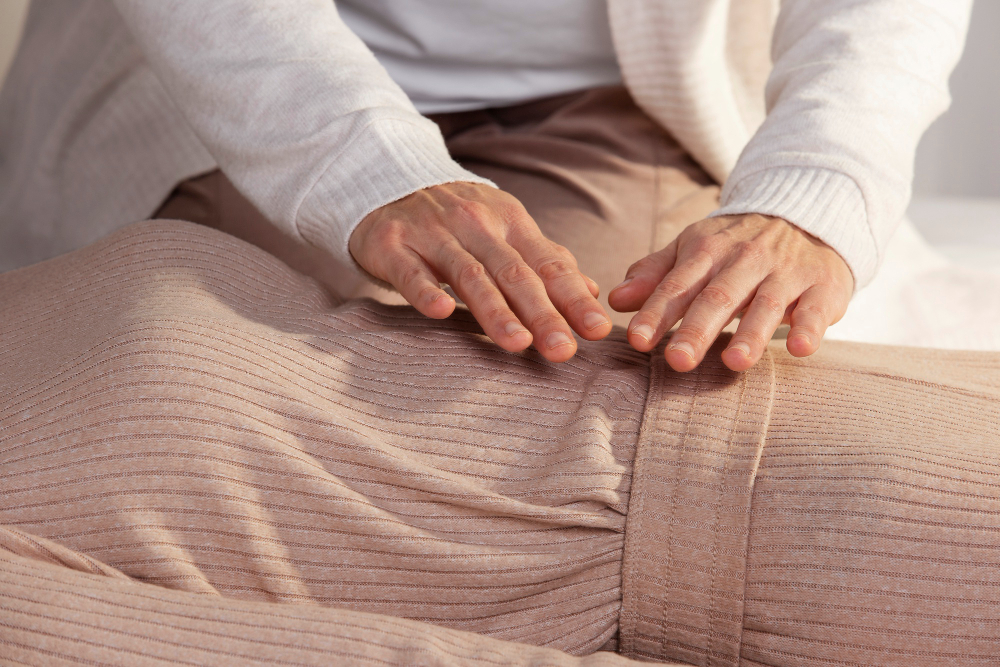
During a Reiki session, the practitioner uses light touch or places their hands just above the body while the client remains fully clothed in a comfortable environment.
The treatment encourages deep relaxation, allowing both the mind and body an opportunity to slow down.
Many people experience Reiki as a peaceful and restorative experience.
- Gentle holistic therapy
- Non-invasive approach
- Encourages relaxation
- Supports overall wellbeing
Why Relaxation Supports Healing
The body performs many of its repair processes most effectively when it is relaxed.
Chronic stress can place ongoing demands on the nervous system, making it more difficult for the body to prioritise recovery and restoration. While stress is a normal part of life, prolonged periods of tension may influence sleep, muscle recovery, digestion, and emotional wellbeing.
Reiki encourages a state of calm that allows the body to shift away from constant alertness.
This relaxed state creates favourable conditions for natural healing processes.
- Reduces stress responses
- Encourages deep relaxation
- Supports restorative processes
- Creates a calmer internal environment
Supporting Nervous System Balance
The nervous system plays a central role in regulating every function within the body.
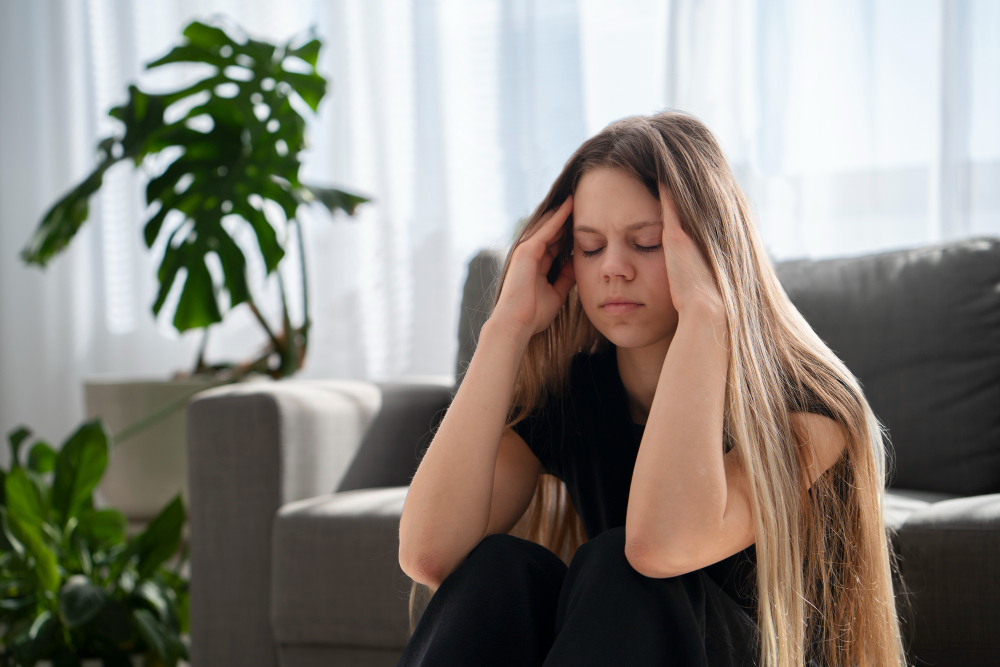
When stress keeps the nervous system in a heightened state of alertness, physical and emotional recovery can become more challenging. Muscles remain tense, breathing may become shallow, and the mind often struggles to switch off.
Reiki encourages a calming effect that supports nervous system regulation.
As the body relaxes, many people notice improvements in both physical comfort and emotional wellbeing.
- Encourages nervous system regulation
- Supports relaxation responses
- Reduces physical tension
- Promotes emotional calm
Encouraging Better Sleep
Sleep is one of the most important contributors to healing.
During restful sleep, the body repairs tissues, regulates hormones, strengthens the immune system, and consolidates memory. Poor sleep can slow many of these important recovery processes.
Because Reiki promotes relaxation, many people report sleeping more deeply following treatment.
Improved sleep often supports better overall health and recovery.
- Promotes relaxation before sleep
- Supports recovery overnight
- Encourages restorative rest
- Benefits overall wellbeing
Helping Reduce Muscle Tension
Stress often causes muscles to remain tight for prolonged periods.
Persistent muscle tension may contribute to discomfort, reduced mobility, headaches, and feelings of physical fatigue. Relaxing these muscles can improve comfort and encourage freer movement.
Reiki supports relaxation throughout the body, helping many individuals feel physically lighter after treatment.
Reduced muscular tension often contributes to an increased sense of wellbeing.
- Encourages muscle relaxation
- Supports comfortable movement
- Reduces physical tightness
- Promotes overall comfort
Supporting Emotional Wellbeing
Emotional health and physical health are closely connected.
Ongoing anxiety, emotional stress, grief, or overwhelm can affect sleep, energy levels, concentration, and overall quality of life. Supporting emotional wellbeing is therefore an important part of holistic health.
Reiki provides a peaceful space where individuals can temporarily step away from everyday pressures.
This opportunity for emotional rest often contributes to improved resilience.
- Encourages emotional balance
- Reduces feelings of overwhelm
- Supports resilience
- Promotes inner calm
Improving Mind-Body Awareness
Modern life often encourages people to ignore signs of fatigue, tension, or stress until symptoms become difficult to overlook.
Reiki invites individuals to slow down and reconnect with how their body feels.
Greater awareness helps people recognise when rest, movement, hydration, or self-care may be needed.
Listening to the body often supports healthier lifestyle choices.
- Encourages self-awareness
- Supports mindful living
- Helps recognise physical needs
- Promotes healthier habits
Complementing Conventional Healthcare
Reiki is designed to complement, not replace, conventional medical care.
Many people choose Reiki alongside treatments recommended by their healthcare professionals because they value its relaxing and supportive nature.
It should never be viewed as an alternative to appropriate medical assessment, diagnosis, or treatment for health conditions.
Instead, Reiki forms part of a broader approach to overall wellbeing.
- Complements medical care
- Supports holistic wellbeing
- Does not replace treatment
- Encourages integrated healthcare
Supporting Recovery from Everyday Stress
Not every healing process involves recovering from illness or injury.
Daily life places physical and emotional demands on the body that gradually accumulate over time. Busy schedules, work pressures, family responsibilities, and constant stimulation all require recovery.
Reiki offers an opportunity to pause and reset before stress becomes overwhelming.
Regular relaxation can support long-term wellbeing.
- Helps manage everyday stress
- Encourages regular recovery
- Supports healthy routines
- Promotes long-term balance
Why Consistency Can Be Beneficial
Like many wellbeing practices, Reiki may provide greater benefits when experienced regularly.
One session may create a welcome sense of calm, while ongoing treatments allow individuals to prioritise relaxation as part of their wider self-care routine.
Regular opportunities for recovery may help people feel better equipped to manage life’s challenges.
Consistency often supports lasting wellbeing.
- Encourages ongoing self-care
- Supports regular relaxation
- Promotes healthy routines
- Builds long-term resilience
Reiki as Part of a Holistic Lifestyle
Healing is influenced by many aspects of everyday life.
Nutritious food, regular movement, quality sleep, hydration, stress management, supportive relationships, and appropriate medical care all contribute to overall health.
Reiki fits naturally within this holistic approach by encouraging relaxation and emotional balance.
Combined with healthy habits, it supports overall wellbeing rather than focusing on individual symptoms alone.
- Complements healthy living
- Supports balanced wellbeing
- Encourages holistic care
- Works alongside positive habits
Creating Space for Recovery
One of Reiki’s greatest strengths is that it creates intentional space for recovery.
Many people spend much of their lives responding to external demands without allowing themselves time to pause. Recovery often becomes something that is postponed rather than prioritised.
A Reiki session provides dedicated time to rest both physically and mentally.
This opportunity to slow down can become an important part of maintaining long-term health and wellbeing.
- Encourages intentional rest
- Creates time for recovery
- Supports physical relaxation
- Promotes emotional renewal
Conclusion
The human body possesses remarkable natural healing abilities, but these processes rely on conditions that support recovery, including adequate rest, balanced nervous system function, quality sleep, and emotional wellbeing. While Reiki does not replace medical treatment or directly cure illness, it offers a gentle complementary approach that encourages many of these important foundations of health.
Through relaxation, stress reduction, improved mind-body awareness, and emotional balance, Reiki helps create an environment where the body’s natural healing processes can function more effectively. Whether someone is looking to manage the pressures of everyday life, support their recovery alongside conventional healthcare, or simply invest more time in their overall wellbeing, Reiki provides a calm and restorative experience that encourages the body and mind to work together towards greater balance.

5 star reviews

Proven results

Holistic healing

REVIEWS
What clients have to say
From the beginning of the therapy my sleep improved and gradually over the sessions my symptoms reduced. By the end of my course of therapy I felt much stronger and empowered to deal with daily life.
Hypnotherapy has totally changed my outlook on life and changed me to thinking much more positive. Ian was very professional and his treatment room is a lovely relaxing space. I can’t thank Ian enough for everything.
If you struggle with food noise or feel like food thoughts dominate your day, I would definitely recommend giving hypnotherapy with Ian a try. It’s been a surprisingly empowering experience.
Everything was easy to understand, and he gave me certain activities to complete, through the day, and prior to going to bed in the evening, and the results are amazing. I am sleeping a lot better, find it easier to fall asleep, but the main thing for me was waking up less through the night.
Ian very quickly addressed issues I was having with just a conversation this is due to his extensive knowledge within the industry. This allowed him to get straight to work on each muscle group to relieve my pain and symptoms.
I saw Ian for four hypnotherapy sessions to help with my long-standing fear of flying, and the results were amazing. He created a calm, supportive environment and guided me through techniques that helped shift my mindset.
I believe hypnotherapy has helped me to reverse a lot of and allowed my thought patterns to become more positive. This has given me the belief that I will get better.
After a few weeks I felt more positive, relaxed and was sleeping better. I still have some work to do but I feel Ian has provided me with the tools to make positive changes moving forward.
The way Ian explained the root cause and how hypnotherapy could help made sense and I bought into this from day one. I started to feel improvement after my first session and after 3 sessions the difference was massive.