
Running places a unique set of demands on the body. Whether you’re training for a marathon, aiming for a new PB, or simply jogging for fitness, your muscles, joints, and connective tissues are all working hard to keep you moving. But with effort comes strain—and that’s where massage comes in. Used strategically, massage therapy can help runners of all levels recover faster, move more efficiently, and reduce the risk of injury.
This guide explores how massage supports a runner’s body, the different types of massage techniques available, and how to make massage a consistent and powerful part of your training and recovery routine.
Why Runners Need Massage
Running creates repetitive stress on muscles, tendons, and ligaments. With each stride, your body absorbs impact forces, and certain muscle groups (like the calves, hamstrings, and hip flexors) are especially vulnerable to tightness and overuse. Massage helps counteract these effects by keeping muscles supple, improving circulation, and promoting faster healing.
Massage is not just a luxury for elite athletes—it’s a proven tool for enhancing both performance and longevity in the sport.
Here’s why runners should consider regular massage:
- Speeds up muscle recovery after training and races
- Improves range of motion and joint flexibility
- Reduces delayed onset muscle soreness (DOMS)
- Helps prevent common running injuries like IT band syndrome, shin splints, and plantar fasciitis
- Supports mental recovery by reducing stress and anxiety
Types of Massage for Runners
Not all massage is created equal. Depending on where you are in your training cycle—or what your body needs—different techniques can offer different benefits.
Sports Massage
Designed for physically active clients, sports massage uses targeted techniques to treat and prevent injuries, improve flexibility, and aid recovery. It often focuses on specific problem areas and may include deeper pressure.
Sports massage can help:
- Break down scar tissue
- Release muscle adhesions
- Promote lymphatic drainage
- Increase blood flow to injured tissues
Deep Tissue Massage
Deep tissue massage targets the inner layers of muscle and fascia. While similar in technique to sports massage, it may focus more broadly on areas of chronic tension or imbalance.
It’s especially effective for:
- Releasing long-held tension in the legs or hips
- Improving posture and running gait
- Addressing muscular compensation patterns
- Managing lower back pain caused by running
Trigger Point Therapy
This technique focuses on specific “knots” or trigger points—tight spots that refer pain to other areas. By applying pressure to these areas, therapists can release tension and restore normal function.
Trigger point therapy is useful for:
- Addressing isolated areas of pain
- Treating conditions like IT band syndrome
- Relieving referred pain in calves, glutes, or hamstrings
- Helping realign muscle firing patterns
Myofascial Release
This gentle technique focuses on the fascia—the connective tissue surrounding muscles. Restrictions in the fascia can limit mobility and cause pain, especially in long-distance runners.
Myofascial release benefits include:
- Restoring muscle elasticity
- Improving overall range of motion
- Easing chronic stiffness
- Reducing compensatory injuries
How Massage Improves Running Performance
Massage isn’t just about recovery—it actively supports performance. By improving how your body moves, feels, and recovers, massage can directly contribute to better running outcomes.
Increased Circulation
Massage stimulates blood flow, which delivers oxygen and nutrients to tired muscles and removes waste products like lactic acid.
The benefits for runners include:
- Faster muscle repair after runs
- Improved energy during training sessions
- Healthier muscle tone and tissue resilience
- Reduced inflammation
Improved Flexibility and Range of Motion
Tight hips, hamstrings, and calves are common among runners. Massage helps lengthen these muscles, restoring a more fluid and efficient gait.
This results in:
- Fewer muscle strains and tears
- Smoother stride mechanics
- Easier hill climbing and sprinting
- Better posture and core engagement
Neuromuscular Connection
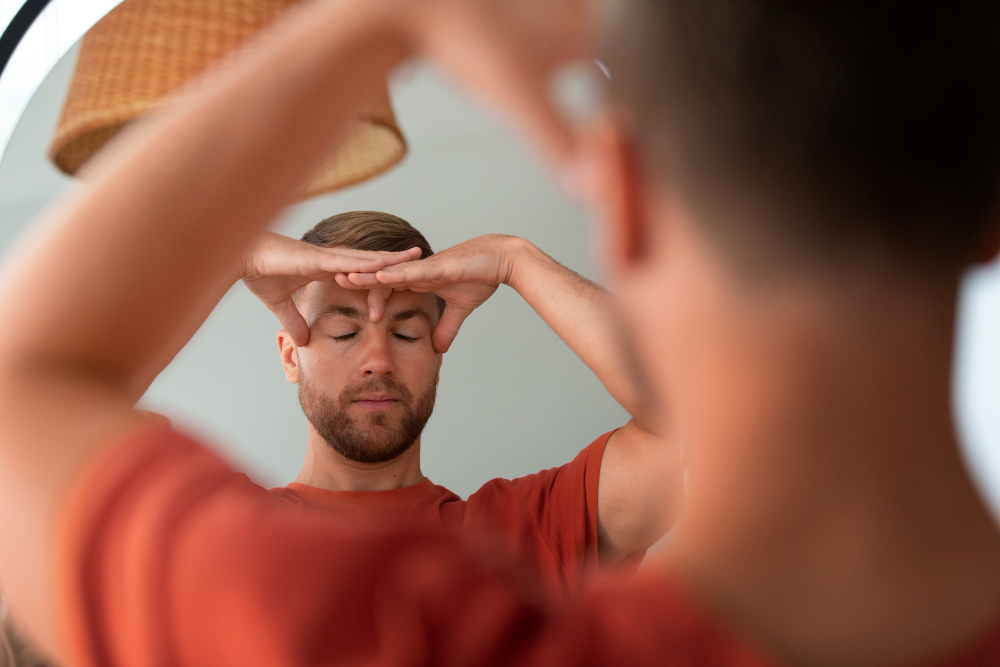
Massage increases awareness of how your body feels and functions. This mind-body connection helps runners recognise imbalances before they cause injuries.
Neuromuscular benefits include:
- Improved coordination
- Early detection of tight spots
- Better focus and mental clarity
- More confidence in performance
How Massage Aids Recovery
Post-run recovery is just as important as training itself. Massage helps shift the body from a stressed, inflamed state into a restorative, healing mode.
Reduced Muscle Soreness
Massage limits the severity and duration of DOMS (Delayed Onset Muscle Soreness), allowing runners to train more consistently and recover faster.
Key benefits:
- Less muscle stiffness the day after long runs
- Faster bounce-back between races or intervals
- Reduced need for pain medication
- Improved motivation to continue training
Lower Stress Hormones
Massage has been shown to reduce cortisol—the body’s primary stress hormone—while increasing serotonin and dopamine.
This helps with:
- Emotional balance during intense training
- Better sleep quality
- Stronger immune response
- Overall sense of wellbeing
Injury Prevention
By identifying and addressing muscular imbalances, massage reduces your chances of developing overuse injuries that could sideline your progress.
Common injuries massage helps prevent:
- Achilles tendonitis
- Runner’s knee (patellofemoral pain syndrome)
- Hip flexor strain
- Hamstring pulls
When to Schedule a Massage
Timing matters. The benefits of massage depend not only on the technique used, but also on when it’s applied during your training cycle.
Pre-Event Massage
Light massage 24–48 hours before a race or big run can loosen tight muscles, improve mobility, and reduce anxiety. It’s not about going deep—it’s about priming the body.
Post-Event Massage
Deeper techniques are best used 24–72 hours after a race to reduce muscle soreness, inflammation, and adhesions. Always allow time for the body to settle post-effort before applying intense pressure.
Maintenance Massage
Regular sessions during training help catch issues before they develop. Many runners benefit from massages every 2–4 weeks depending on mileage and training intensity.
What to Expect During Your First Appointment
If you’ve never had a massage before, especially a sports-focused one, it’s natural to feel unsure. Here’s what usually happens during a runner’s massage session.
- Initial Consultation
You’ll discuss your running habits, any injuries or tight areas, and your goals for the session. - Assessment
Your therapist may check your posture, gait patterns, or areas of tenderness. - Treatment
You’ll lie on a treatment couch while the therapist works through muscle groups relevant to your running. - Aftercare Advice
You’ll receive guidance on hydration, stretches, rest, or follow-up sessions.
Massage pressure is always tailored to your comfort. Communicate with your therapist if anything feels too intense or too light—they want the treatment to work with, not against, your body.
Self-Care Between Sessions
Massage therapy works best when combined with proper self-care. Supporting your treatment between appointments helps keep your muscles in top condition.
Daily habits to support your massage routine:
- Use a foam roller to release tension between sessions
- Stay hydrated before and after massage
- Stretch daily, focusing on the hip flexors, calves, quads, and hamstrings
- Warm up and cool down properly before and after every run
- Sleep 7–9 hours to support muscle recovery
Combining Massage with Other Therapies
Some runners benefit from combining massage with other treatments like physiotherapy, chiropractic care, or even hypnotherapy for mental performance.
Integrated care might include:
- Corrective exercises from a physio
- Postural adjustments from a chiropractor
- Visualisation and focus techniques through hypnotherapy
- Nutritional advice to support muscle recovery
If you’re dealing with recurring injuries or high-level training, a combined approach can be the key to staying on track and performing at your best.
Final Thoughts
Massage therapy is a powerful ally for runners. It doesn’t just feel good—it helps your body function better, recover faster, and remain resilient over time. Whether you’re preparing for your first 10K or your fifth marathon, massage can become a vital part of your training toolkit.
Consistency is key. Just like regular runs build endurance, regular massage builds resilience. By making massage a part of your running journey, you give your body the support it needs to perform—and the care it deserves to recover.

5 star reviews

Proven results

Holistic healing
REVIEWS
What clients have to say
From the beginning of the therapy my sleep improved and gradually over the sessions my symptoms reduced. By the end of my course of therapy I felt much stronger and empowered to deal with daily life.
If you struggle with food noise or feel like food thoughts dominate your day, I would definitely recommend giving hypnotherapy with Ian a try. It’s been a surprisingly empowering experience.
Hypnotherapy has totally changed my outlook on life and changed me to thinking much more positive. Ian was very professional and his treatment room is a lovely relaxing space. I can’t thank Ian enough for everything.
Ian very quickly addressed issues I was having with just a conversation this is due to his extensive knowledge within the industry. This allowed him to get straight to work on each muscle group to relieve my pain and symptoms.
Everything was easy to understand, and he gave me certain activities to complete, through the day, and prior to going to bed in the evening, and the results are amazing. I am sleeping a lot better, find it easier to fall asleep, but the main thing for me was waking up less through the night.
The way Ian explained the root cause and how hypnotherapy could help made sense and I bought into this from day one. I started to feel improvement after my first session and after 3 sessions the difference was massive.
After a few weeks I felt more positive, relaxed and was sleeping better. I still have some work to do but I feel Ian has provided me with the tools to make positive changes moving forward.
I believe hypnotherapy has helped me to reverse a lot of and allowed my thought patterns to become more positive. This has given me the belief that I will get better.
I saw Ian for four hypnotherapy sessions to help with my long-standing fear of flying, and the results were amazing. He created a calm, supportive environment and guided me through techniques that helped shift my mindset.