
In recent years, energy healing practices have begun to bridge the gap between ancient tradition and modern wellness. Among the most widely recognised is Reiki—a Japanese form of energy therapy that aims to restore balance and well-being by working with the body’s natural energy field. While some may view Reiki through a spiritual lens, others are increasingly turning to it as a complementary approach to physical, emotional, and mental health challenges.
But how does it actually work? What does science say about Reiki, and more importantly—could it be the right path for you? In this post, we’ll explore the principles behind Reiki, what happens during a session, the research on its effects, and the kinds of issues it may help with.
What Is Reiki and How Does It Work?
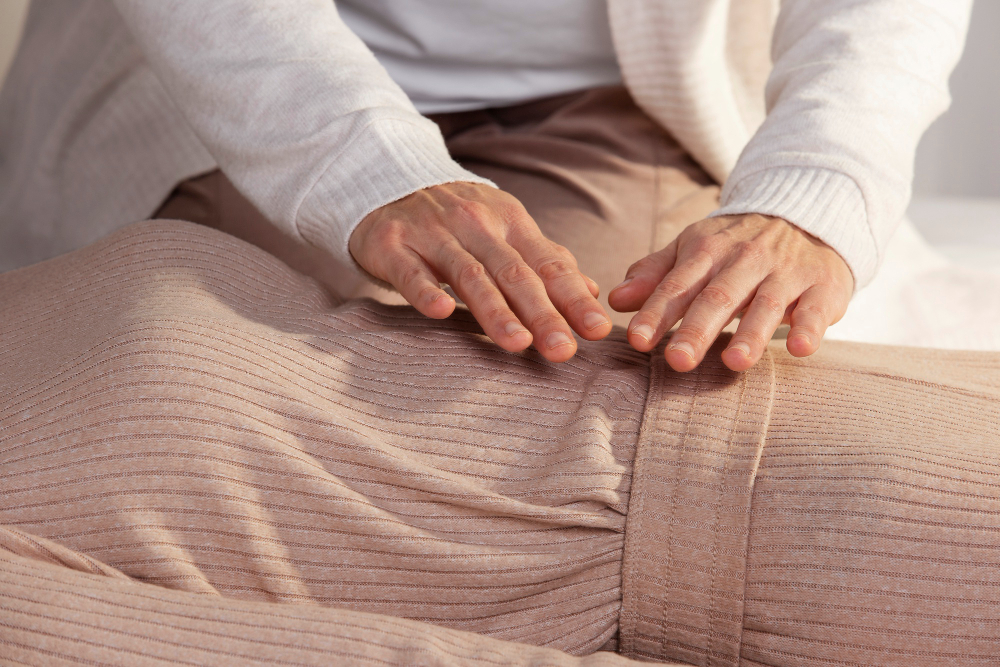
Reiki is a non-invasive form of healing where the practitioner channels energy through their hands to support the client’s self-healing ability. It’s grounded in the idea that energy flows through all living beings and that disruptions or blockages in this energy can lead to illness or distress.
- Reiki is performed fully clothed, usually lying down in a peaceful environment.
- The practitioner gently places their hands over or just above the body in a series of positions.
- There is no manipulation of muscles or tissues—Reiki works at the energetic level.
- Many clients report feeling warmth, tingling, or deep calm during a session.
While the mechanism may be hard to quantify with current scientific tools, the experience of relaxation and mental clarity is well documented by clients and growing bodies of research.
The Science of Energy Healing
Energy medicine is a broad and evolving field. While Western science has traditionally focused on the physical body, new interest is emerging around the measurable effects of subtle energy interventions. Studies on Reiki have reported various positive outcomes, particularly in relation to stress, pain relief, and emotional wellbeing.
- Research has shown that Reiki can lower cortisol (the stress hormone), supporting the body’s rest and repair functions.
- Some clinical trials suggest Reiki may help reduce anxiety and depression symptoms, especially in people with chronic illnesses.
- There is growing evidence that Reiki can help regulate heart rate variability—a marker of nervous system balance.
- While more rigorous studies are still needed, the existing results are promising enough that some hospitals and palliative care centres offer Reiki as a complementary service.
What science may struggle to explain in energetic terms, it’s beginning to validate through outcomes.
What Reiki May Help With
Reiki isn’t designed to replace medical care, but it can provide support in a wide range of situations. It helps activate the parasympathetic nervous system—the “rest and digest” mode—allowing the body and mind to recalibrate and heal.
- Chronic Stress and Burnout: Reiki promotes deep relaxation, helping to release long-held tension and overthinking patterns.
- Emotional Turmoil: It may offer grounding during periods of grief, anxiety, or emotional instability.
- Physical Pain or Recovery: While not a substitute for physiotherapy, Reiki can complement physical recovery by reducing inflammation and discomfort.
- Sleep Disturbances: Many people find their sleep improves after a Reiki session, even after just one treatment.
- Spiritual Disconnection: Reiki can help reconnect clients with a sense of inner calm and intuitive guidance.
It’s especially helpful when emotional and physical symptoms are entangled or difficult to untangle using conventional approaches alone.
Who Is Reiki For?
One of Reiki’s biggest strengths is its adaptability. It’s gentle enough to be used in most contexts and for a wide range of individuals, from children to the elderly.
- Busy professionals needing time to slow down and recalibrate.
- People with chronic conditions who want an additional tool to manage symptoms.
- Anyone feeling ‘stuck’, emotionally or spiritually, and looking for a reset.
- Those undergoing medical treatments, such as cancer care, who seek gentle support for side effects and mood.
- Caregivers and healers needing a space to refill their own energy reserves.
You don’t need to be spiritual or believe in energy work to benefit. Reiki meets you where you are and offers whatever you’re ready to receive.
What to Expect in a Reiki Session
For first-timers, it can feel strange to lie down fully clothed while someone silently places hands on or over the body. But this simplicity is part of Reiki’s power. Sessions usually last between 45 and 60 minutes and follow a calm, unhurried rhythm.
- The environment is quiet, often with soft music and low lighting.
- You remain fully clothed and comfortable throughout.
- The practitioner may move their hands across areas such as the head, shoulders, torso, arms, and legs.
- You might feel sensations such as heat, pulsing, or emotional release.
- After the session, people often report feeling lighter, clearer, or very rested.
Reiki doesn’t aim to force healing but instead creates the right conditions for the body and mind to shift naturally toward balance.
The Role of the Reiki Practitioner
A Reiki practitioner serves as a channel, not a source, of energy. Their role is to create a safe space and allow healing energy to flow to wherever the client needs it most.
- The practitioner sets an intention for healing and facilitates a connection between energy and awareness.
- They observe with sensitivity, not judgement—trusting the client’s body knows what it needs.
- Some practitioners, such as Reiki Masters, may integrate tools like crystals or sound to deepen the session.
Training is taken seriously within the Reiki tradition. Practitioners undergo various levels of attunement, with Reiki Masters also qualified to teach others.
Reiki and Self-Healing
One of Reiki’s most empowering aspects is that it reminds people of their ability to self-heal. Rather than being passive recipients, clients are invited to engage with their own wellbeing.
- Reiki can help you identify the energetic patterns behind physical or emotional blocks.
- It encourages reflection, mindfulness, and intuitive insight.
- The practice may spark lifestyle changes or inspire a deeper self-care routine.
- With training, clients can even learn to use Reiki on themselves between sessions.
In this way, Reiki becomes a bridge—not just a treatment but a journey toward greater harmony and self-awareness.
Reiki and Other Therapies
Reiki blends beautifully with other forms of therapy. It doesn’t conflict with medication, physical treatments, counselling, or holistic practices—in fact, it often enhances them.
- It complements massage by helping the nervous system settle, enhancing the body’s response to touch.
- In combination with hypnotherapy, Reiki creates a receptive state for deeper emotional processing.
- When paired with talk therapy, clients often gain clarity and faster emotional breakthroughs.
- For those already practising mindfulness or meditation, Reiki can deepen that connection and stillness.
If you’re undergoing other types of support, Reiki often amplifies their effectiveness without interference.
How Often Should You Have Reiki?
The frequency of sessions depends on what you’re looking to achieve. Some clients book regularly for maintenance and stress relief. Others use Reiki in response to specific issues or periods of transition.
- Acute stress or pain may benefit from weekly sessions initially.
- Emotional processing or grief may require a few treatments close together to feel supported.
- Ongoing wellbeing and prevention may call for a monthly session as a reset.
- Major life changes, such as relationship transitions or career shifts, can also be good times to schedule sessions.
Listening to your body and your energy levels is the best guide. A good practitioner will help you determine what works best for your situation.
Is Reiki Safe?
Yes. Reiki is non-invasive, painless, and doesn’t involve physical manipulation or medication. It’s considered extremely low risk and is safe for virtually everyone.
- There are no known harmful side effects.
- It doesn’t interfere with prescribed treatments.
- You can always stop a session or set boundaries about touch or comfort.
- Practitioners are trained to maintain client safety, ethics, and professionalism.
As with any therapy, the key is to find a qualified practitioner who listens to your needs and explains the process clearly.
Conclusion: Is Reiki Right for You?
Reiki is not a one-size-fits-all miracle cure—but it can be a powerful, calming, and life-enhancing tool for those open to the experience. Whether you’re recovering from physical injury, navigating emotional upheaval, or simply looking to restore balance in your life, Reiki offers a space for healing that goes beyond the physical.
It invites you to slow down, reconnect, and allow your body’s natural wisdom to guide the way. While the science of energy continues to unfold, the real evidence is found in the lived experience of those who feel better, sleep deeper, and carry more peace after just one session.
If you’re curious, open-minded, and ready for gentle change, then yes—Reiki just might be right for you.

5 star reviews

Proven results

Holistic healing


REVIEWS
What clients have to say
Everything was easy to understand, and he gave me certain activities to complete, through the day, and prior to going to bed in the evening, and the results are amazing. I am sleeping a lot better, find it easier to fall asleep, but the main thing for me was waking up less through the night.
If you struggle with food noise or feel like food thoughts dominate your day, I would definitely recommend giving hypnotherapy with Ian a try. It’s been a surprisingly empowering experience.
Hypnotherapy has totally changed my outlook on life and changed me to thinking much more positive. Ian was very professional and his treatment room is a lovely relaxing space. I can’t thank Ian enough for everything.
Ian very quickly addressed issues I was having with just a conversation this is due to his extensive knowledge within the industry. This allowed him to get straight to work on each muscle group to relieve my pain and symptoms.
From the beginning of the therapy my sleep improved and gradually over the sessions my symptoms reduced. By the end of my course of therapy I felt much stronger and empowered to deal with daily life.
The way Ian explained the root cause and how hypnotherapy could help made sense and I bought into this from day one. I started to feel improvement after my first session and after 3 sessions the difference was massive.
I believe hypnotherapy has helped me to reverse a lot of and allowed my thought patterns to become more positive. This has given me the belief that I will get better.
After a few weeks I felt more positive, relaxed and was sleeping better. I still have some work to do but I feel Ian has provided me with the tools to make positive changes moving forward.
I saw Ian for four hypnotherapy sessions to help with my long-standing fear of flying, and the results were amazing. He created a calm, supportive environment and guided me through techniques that helped shift my mindset.