
In today’s world, where stress, emotional strain, and physical tension are common, more people are turning to holistic therapies for relief. Practices like hypnotherapy, massage, and Reiki each offer unique pathways to healing, yet they are often misunderstood or seen as interchangeable. While all three approaches aim to restore balance and wellbeing, they work in very different ways—one focusing on the mind, another on the body, and the third on energy.
The key to benefiting from these therapies lies in knowing when to choose one over the others. Should you book a massage when you feel emotionally drained? Would hypnotherapy help more than Reiki when you’re trying to break a bad habit? Understanding the role of each therapy helps you make informed decisions about your care.
In this guide, we’ll explore the strengths of hypnotherapy, massage, and Reiki, highlighting when each is most effective, when they complement each other, and how they can support your journey to better health and resilience.
Understanding Hypnotherapy
Hypnotherapy is a therapeutic practice that uses hypnosis to access the subconscious mind. In a state of deep focus and relaxation, the conscious mind becomes quiet, allowing the subconscious to accept positive suggestions and new ways of thinking. Contrary to myths, hypnotherapy does not involve losing control or being manipulated—it is a safe, collaborative process where you remain fully aware.
Hypnotherapy is particularly powerful for changing behaviours and addressing thought patterns that are hard to shift with willpower alone. By working directly with the subconscious, it helps reframe beliefs, resolve emotional blocks, and create lasting changes.
- Effective for habit change, such as smoking cessation or weight loss
- Supports emotional issues like anxiety, phobias, or low self-esteem
- Helps manage pain and chronic conditions by reframing perceptions
- Builds resilience by aligning subconscious patterns with conscious goals
Understanding Massage
Massage is a physical therapy that manipulates muscles, tendons, and soft tissues to release tension, improve circulation, and support healing. While often thought of as a relaxation tool, massage has deep therapeutic benefits for both physical and mental wellbeing.
For people with desk jobs, athletes, or anyone living with muscular pain, massage provides targeted relief. It eases stiffness, restores mobility, and prevents long-term issues caused by poor posture or repetitive strain. Beyond the body, massage also reduces stress hormones and promotes a sense of calm.
- Relieves muscular tension and stiffness caused by overuse or stress
- Improves circulation, helping the body repair and recover faster
- Supports posture and flexibility, preventing long-term injuries
- Encourages relaxation and reduces stress-related physical symptoms
Understanding Reiki
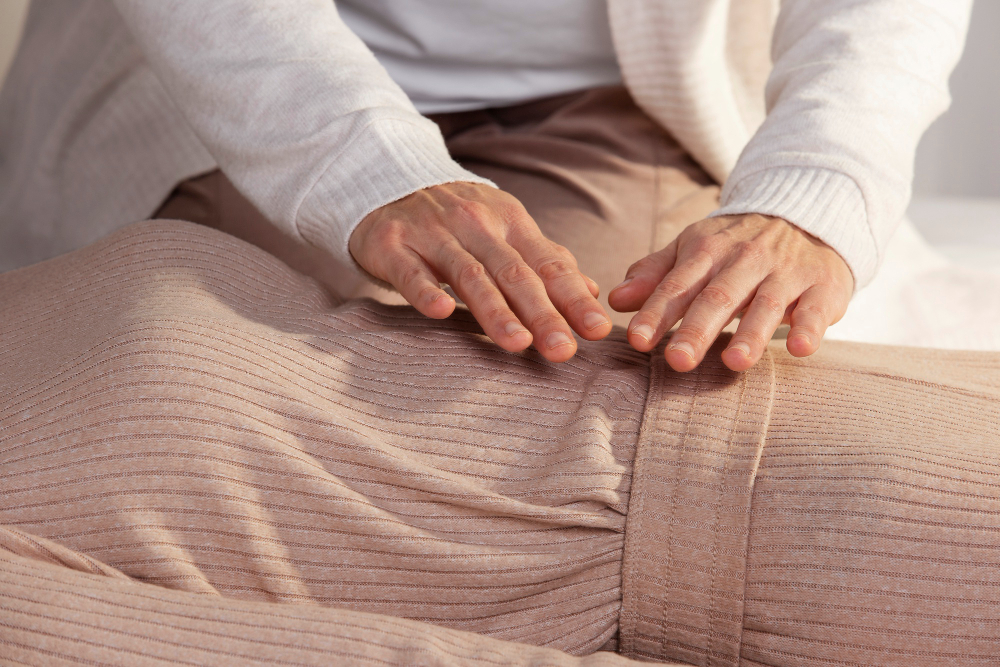
Reiki is a Japanese form of energy healing that works by balancing the life force energy flowing through the body. A practitioner places their hands lightly on or just above the body, channelling energy to remove blockages and restore harmony.
Unlike massage or hypnotherapy, Reiki does not involve manipulation of muscles or direct engagement with thought processes. Instead, it works on a subtle energetic level, promoting relaxation, emotional release, and spiritual connection. Many clients describe it as deeply calming and restorative, even when they cannot pinpoint exactly why.
- Promotes deep relaxation and stress reduction
- Supports emotional healing by clearing energetic blockages
- Helps restore balance during periods of fatigue or overwhelm
- Encourages a sense of peace and connection with self and spirit
When to Choose Hypnotherapy
Hypnotherapy is best suited to situations where the challenge lies in the mind rather than the body. If you are struggling with unwanted habits, limiting beliefs, or emotional patterns that keep resurfacing, hypnotherapy can help you address them at a subconscious level.
It is particularly effective when you feel stuck in cycles of behaviour despite wanting to change. By bypassing conscious resistance, hypnotherapy provides access to the root of these issues and allows new patterns to take hold.
- Use hypnotherapy for breaking habits like smoking, overeating, or nail biting
- Choose it when managing anxiety, fears, or phobias
- Helpful for confidence-building, motivation, and self-esteem
- Supportive for pain management and stress-related conditions
When to Choose Massage
Massage should be your choice when your discomfort is primarily physical. If you spend long hours sitting, are recovering from exercise, or simply feel stiff and tense, massage provides targeted relief.
It is also ideal if stress has manifested physically, creating headaches, muscle tightness, or back pain. By releasing muscular tension and improving circulation, massage restores the body to a more balanced state and supports long-term health.
- Choose massage for relief from muscular aches, stiffness, and postural strain
- Helpful for recovery after sport, exercise, or physical exertion
- Effective for stress-related tension headaches or tight shoulders
- Prevents long-term musculoskeletal issues caused by repetitive strain
When to Choose Reiki
Reiki is the therapy of choice when you are emotionally or energetically drained. If you feel stressed, disconnected, or weighed down by emotions, Reiki can help restore inner balance and create space for healing.
It is also supportive for those recovering from trauma, grief, or significant life changes. Reiki offers a safe, non-verbal approach to healing that does not require revisiting painful experiences. It works well for those who need calm, clarity, and a renewed sense of connection.
- Ideal when you feel emotionally drained or overwhelmed
- Supports healing during grief, trauma, or transitions
- Promotes relaxation when stress feels unmanageable
- Enhances overall wellbeing by balancing energy systems
When to Combine Hypnotherapy, Massage, and Reiki
While each therapy has distinct benefits, they often complement each other. Many people find that combining treatments provides deeper, more holistic results. For example, massage may ease the physical symptoms of stress, while hypnotherapy addresses the thought patterns that fuel it, and Reiki restores emotional balance.
Choosing a combination depends on your needs at the time. For chronic stress, alternating massage and Reiki can balance body and mind. For behaviour change, hypnotherapy paired with Reiki can provide both subconscious and energetic support.
- Combine massage and Reiki for stress relief in both body and energy systems
- Use massage with hypnotherapy to address both physical tension and habits
- Reiki alongside hypnotherapy can support emotional release during behaviour change
- Integrated sessions provide a full-body, mind, and spirit approach to healing
Case Examples: Choosing the Right Therapy
To illustrate how these therapies can be chosen or combined, here are some common scenarios:
Scenario 1: The Stressed Office Worker
A client experiences tight shoulders, headaches, and fatigue from long hours at a desk. Massage provides immediate relief for muscular tension, while Reiki helps restore emotional balance and relaxation.
Scenario 2: The Habit Breaker
Someone trying to quit smoking has struggled with willpower alone. Hypnotherapy addresses the subconscious triggers, while Reiki supports stress relief and emotional clarity during the transition.
Scenario 3: The Anxious Student
A student preparing for exams feels overwhelmed and unable to focus. Hypnotherapy improves confidence and concentration, while massage relieves tension headaches caused by stress.
Scenario 4: The Recovering Athlete
An athlete recovering from injury benefits from massage for muscular healing, alongside Reiki for emotional resilience during recovery setbacks.
Self-Reflection: Which Therapy Do You Need?
If you’re unsure which therapy to choose, reflecting on your main concerns can guide you:
- Is your issue physical (aches, stiffness, posture)? Massage may be best.
- Is your issue habitual or mental (anxiety, behaviours, beliefs)? Hypnotherapy may be most effective.
- Is your issue emotional or energetic (stress, grief, overwhelm)? Reiki could provide the support you need.
Sometimes the answer is not one therapy but a combination. Trusting your intuition about what you need most—physical relief, mental clarity, or emotional calm—can help you choose the right starting point.
Conclusion
Hypnotherapy, massage, and Reiki each offer powerful pathways to healing, but their strengths lie in different areas. Hypnotherapy is best for reshaping habits and addressing subconscious patterns, massage for relieving physical tension and supporting the body, and Reiki for restoring emotional and energetic balance.
By understanding when to choose each therapy—and when to combine them—you can create a holistic approach to health that supports your unique needs. Healing is never one-size-fits-all, and each of these practices offers valuable tools for building resilience, balance, and wellbeing.
Whether you are seeking relief from physical aches, struggling with ingrained habits, or needing emotional renewal, there is a therapy—or combination of therapies—that can guide you towards a healthier, more balanced life.

5 star reviews

Proven results

Holistic healing


REVIEWS
What clients have to say
If you struggle with food noise or feel like food thoughts dominate your day, I would definitely recommend giving hypnotherapy with Ian a try. It’s been a surprisingly empowering experience.
Hypnotherapy has totally changed my outlook on life and changed me to thinking much more positive. Ian was very professional and his treatment room is a lovely relaxing space. I can’t thank Ian enough for everything.
Everything was easy to understand, and he gave me certain activities to complete, through the day, and prior to going to bed in the evening, and the results are amazing. I am sleeping a lot better, find it easier to fall asleep, but the main thing for me was waking up less through the night.
Ian very quickly addressed issues I was having with just a conversation this is due to his extensive knowledge within the industry. This allowed him to get straight to work on each muscle group to relieve my pain and symptoms.
From the beginning of the therapy my sleep improved and gradually over the sessions my symptoms reduced. By the end of my course of therapy I felt much stronger and empowered to deal with daily life.
After a few weeks I felt more positive, relaxed and was sleeping better. I still have some work to do but I feel Ian has provided me with the tools to make positive changes moving forward.
I believe hypnotherapy has helped me to reverse a lot of and allowed my thought patterns to become more positive. This has given me the belief that I will get better.
I saw Ian for four hypnotherapy sessions to help with my long-standing fear of flying, and the results were amazing. He created a calm, supportive environment and guided me through techniques that helped shift my mindset.
The way Ian explained the root cause and how hypnotherapy could help made sense and I bought into this from day one. I started to feel improvement after my first session and after 3 sessions the difference was massive.