
Modern life places constant demands on the mind and body. Work pressures, family responsibilities, financial concerns, social commitments, and the endless stream of digital information can leave many people feeling mentally exhausted and physically tense. While relaxation is often recognised as important for wellbeing, truly switching off can be surprisingly difficult. Even when people have time to rest, their minds may continue racing through worries, responsibilities, and unfinished tasks.
This is one reason why Reiki has become increasingly popular among people seeking greater balance and calm. Reiki offers a dedicated space to slow down, disconnect from external pressures, and allow the body and mind to enter a deeply relaxed state. While experiences vary between individuals, many people report feeling calmer, lighter, and more centred after a session. Understanding why Reiki is so effective at promoting relaxation helps explain why it continues to play such an important role in holistic wellbeing practices.
Understanding the Importance of Relaxation
Relaxation is often viewed as a luxury rather than a necessity. In reality, it is an essential biological process that allows the body and mind to recover from daily demands.
When relaxation is neglected, stress hormones remain elevated, muscles stay tense, and the nervous system continues operating in a heightened state. Over time, this can affect sleep, concentration, emotional wellbeing, and physical health.
The body functions best when periods of activity are balanced with periods of recovery. Without that balance, tension begins to accumulate.
Relaxation is not about doing nothing. It is an active part of maintaining overall wellbeing.
- Supports physical recovery
- Promotes emotional balance
- Reduces accumulated stress
- Helps maintain overall health
How Modern Life Keeps the Nervous System Activated
The human nervous system evolved to respond to short-term threats and challenges. However, modern stressors often remain present for extended periods.
Emails, deadlines, financial pressures, family commitments, and constant connectivity can all keep the nervous system in a state of ongoing alertness.
Even when no immediate danger exists, the body may continue behaving as though it needs to remain prepared for action.
This prolonged activation can make relaxation increasingly difficult to achieve without support.
- Modern stress is often continuous
- The body remains on high alert
- Recovery opportunities become limited
- Relaxation becomes harder to access
What Reiki Is
Reiki is a gentle holistic practice that focuses on promoting relaxation, balance, and wellbeing.
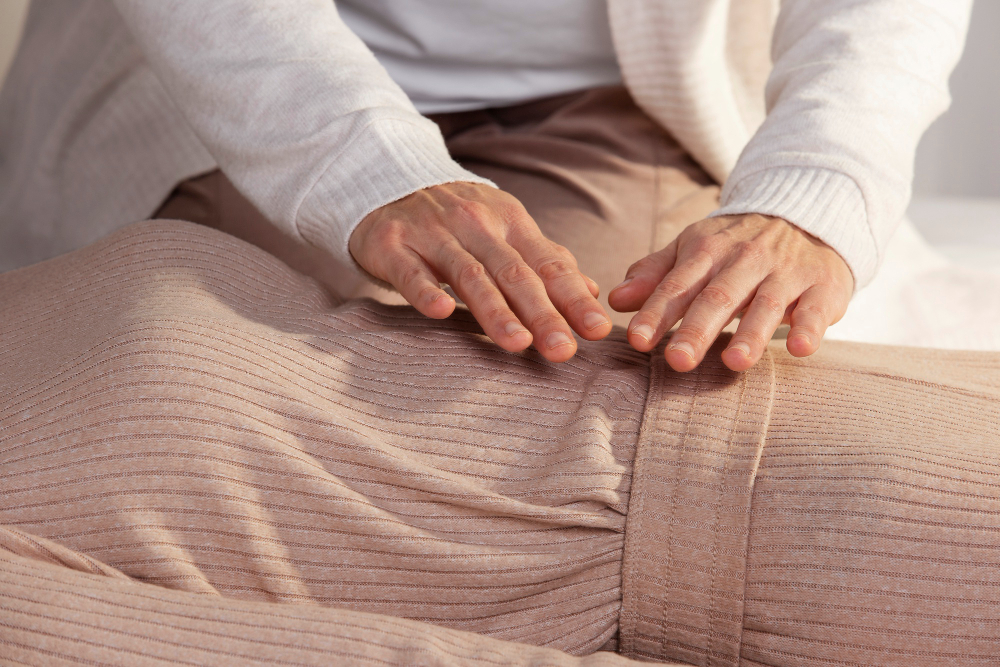
Sessions are typically carried out in a calm environment where clients remain fully clothed while the practitioner uses light touch or positions their hands just above the body.
Unlike treatments that involve physical manipulation or exercise, Reiki encourages stillness and relaxation throughout the session.
Many people are drawn to Reiki because of its simplicity and calming nature.
- Gentle and non-invasive
- Focuses on wellbeing and balance
- Encourages stillness and calm
- Suitable for a wide range of individuals
Creating a Dedicated Space for Relaxation
One of the reasons Reiki feels so effective is that it creates an environment specifically designed for relaxation.
Many people rarely allow themselves uninterrupted time to rest. Even during leisure activities, distractions often remain present.
A Reiki session provides a period where there are no tasks to complete, decisions to make, or demands to meet.
This dedicated space alone can have a powerful effect on stress levels.
- Removes everyday distractions
- Creates uninterrupted downtime
- Encourages mental disengagement
- Supports deep relaxation
Supporting Nervous System Regulation
The nervous system plays a central role in how stress and relaxation are experienced.
When the body remains in a state of alertness, muscles stay tense, breathing becomes shallower, and the mind remains focused on potential challenges.
Reiki encourages the nervous system to move towards a calmer and more restorative state.
As this shift occurs, many people notice reduced tension and a greater sense of ease.
- Encourages nervous system balance
- Supports calmer physiological responses
- Reduces stress-related activation
- Promotes recovery and restoration
Helping the Body Release Physical Tension
Physical tension often develops gradually through stress, posture, repetitive movement, and emotional strain.
Common areas of tension include the shoulders, neck, jaw, back, and hips. Many people become so accustomed to this tightness that they no longer notice it consciously.
The deep relaxation associated with Reiki may help the body release some of this accumulated tension naturally.
As muscles begin to relax, overall comfort often improves.
- Supports muscular relaxation
- Reduces feelings of tightness
- Encourages physical comfort
- Helps release accumulated tension
Encouraging Slower and Deeper Breathing
Stress often affects breathing patterns. Many people breathe more quickly and shallowly when under pressure, even if they are unaware of it.
During a Reiki session, relaxation frequently encourages slower and deeper breathing.
Improved breathing helps activate the body’s relaxation response and supports a greater sense of calm.
This creates a positive cycle where physical relaxation supports mental relaxation and vice versa.
- Encourages slower breathing
- Supports relaxation responses
- Improves oxygen delivery
- Enhances feelings of calm
Quieting Mental Overactivity
Many people struggle to relax because their minds remain constantly active.
Thoughts about work, relationships, responsibilities, or future concerns can continue long after the day has ended.
Reiki encourages stillness, which often helps reduce mental clutter and create a sense of inner quiet.
Even temporary relief from constant thinking can feel deeply restorative.
- Reduces mental noise
- Encourages present-moment awareness
- Supports mental clarity
- Promotes inner calm
Supporting Emotional Relaxation
Relaxation is not only physical. Emotional tension can be equally exhausting.
Stress, worry, frustration, grief, and emotional overwhelm can all contribute to feelings of heaviness and fatigue.
Reiki provides a calm environment where emotional pressure may begin to ease.
Many individuals describe feeling emotionally lighter or more balanced after a session.
- Supports emotional release
- Reduces feelings of overwhelm
- Encourages emotional balance
- Promotes inner steadiness
Why Stillness Feels So Powerful
Modern life encourages constant activity. People often move directly from one responsibility to the next without taking time to pause.
This makes genuine stillness increasingly rare.
Reiki offers an opportunity to slow down completely, allowing the body and mind to experience rest without expectation or pressure.
The simplicity of this experience is often one of its greatest strengths.
- Provides uninterrupted stillness
- Encourages slowing down
- Reduces sensory overload
- Supports deeper rest
The Connection Between Relaxation and Recovery
The body performs much of its repair and recovery during periods of rest.
When relaxation improves, the body can more effectively regulate hormones, restore energy levels, and support normal physiological processes.
This is why relaxation often influences more than just mood. It can affect sleep quality, concentration, resilience, and overall wellbeing.
Recovery and relaxation are closely linked.
- Supports physical restoration
- Helps regulate stress hormones
- Encourages energy recovery
- Promotes overall wellbeing
How Regular Reiki Sessions Build Long-Term Benefits
While a single session can feel deeply relaxing, regular Reiki sessions may help reinforce a greater sense of balance over time.
Repeated experiences of relaxation teach the body and mind that calm is possible and accessible.
This can help individuals become more aware of tension as it develops and more capable of managing stress effectively.
Consistency often strengthens the benefits.
- Reinforces relaxation patterns
- Supports long-term wellbeing
- Encourages stress awareness
- Builds emotional resilience
Complementing Other Wellbeing Practices
Reiki works particularly well alongside other approaches to health and wellbeing.
Many individuals combine Reiki with meditation, mindfulness, counselling, exercise, massage therapy, or healthy lifestyle habits.
Rather than replacing these practices, Reiki complements them by supporting relaxation and balance.
A holistic approach often produces the most sustainable results.
- Works alongside other therapies
- Supports mindfulness practices
- Complements healthy routines
- Encourages comprehensive wellbeing
Why People Continue Returning to Reiki
Many people initially try Reiki out of curiosity but continue because of the way it makes them feel afterwards.
The opportunity to step away from daily pressures and experience genuine calm can be difficult to find elsewhere.
In a world that often rewards constant activity, Reiki provides permission to pause and focus entirely on wellbeing.
For many individuals, this becomes an important part of maintaining balance.
- Creates a sense of calm
- Provides regular time for self-care
- Supports ongoing stress management
- Encourages personal wellbeing
Conclusion
Reiki is effective at promoting relaxation because it addresses many of the factors that contribute to stress and tension in modern life. By creating a calm environment, supporting nervous system regulation, encouraging physical and emotional release, and providing dedicated time for stillness, Reiki helps individuals move away from constant pressure and towards a more balanced state.
While every person’s experience is unique, the deep sense of calm often associated with Reiki reflects the body’s natural ability to relax when given the right conditions. In a world where many people struggle to switch off, Reiki offers a gentle and supportive way to reconnect with rest, recovery, and overall wellbeing.

5 star reviews

Proven results

Holistic healing

REVIEWS
What clients have to say
Hypnotherapy has totally changed my outlook on life and changed me to thinking much more positive. Ian was very professional and his treatment room is a lovely relaxing space. I can’t thank Ian enough for everything.
Everything was easy to understand, and he gave me certain activities to complete, through the day, and prior to going to bed in the evening, and the results are amazing. I am sleeping a lot better, find it easier to fall asleep, but the main thing for me was waking up less through the night.
From the beginning of the therapy my sleep improved and gradually over the sessions my symptoms reduced. By the end of my course of therapy I felt much stronger and empowered to deal with daily life.
Ian very quickly addressed issues I was having with just a conversation this is due to his extensive knowledge within the industry. This allowed him to get straight to work on each muscle group to relieve my pain and symptoms.
If you struggle with food noise or feel like food thoughts dominate your day, I would definitely recommend giving hypnotherapy with Ian a try. It’s been a surprisingly empowering experience.
After a few weeks I felt more positive, relaxed and was sleeping better. I still have some work to do but I feel Ian has provided me with the tools to make positive changes moving forward.
I saw Ian for four hypnotherapy sessions to help with my long-standing fear of flying, and the results were amazing. He created a calm, supportive environment and guided me through techniques that helped shift my mindset.
The way Ian explained the root cause and how hypnotherapy could help made sense and I bought into this from day one. I started to feel improvement after my first session and after 3 sessions the difference was massive.
I believe hypnotherapy has helped me to reverse a lot of and allowed my thought patterns to become more positive. This has given me the belief that I will get better.