
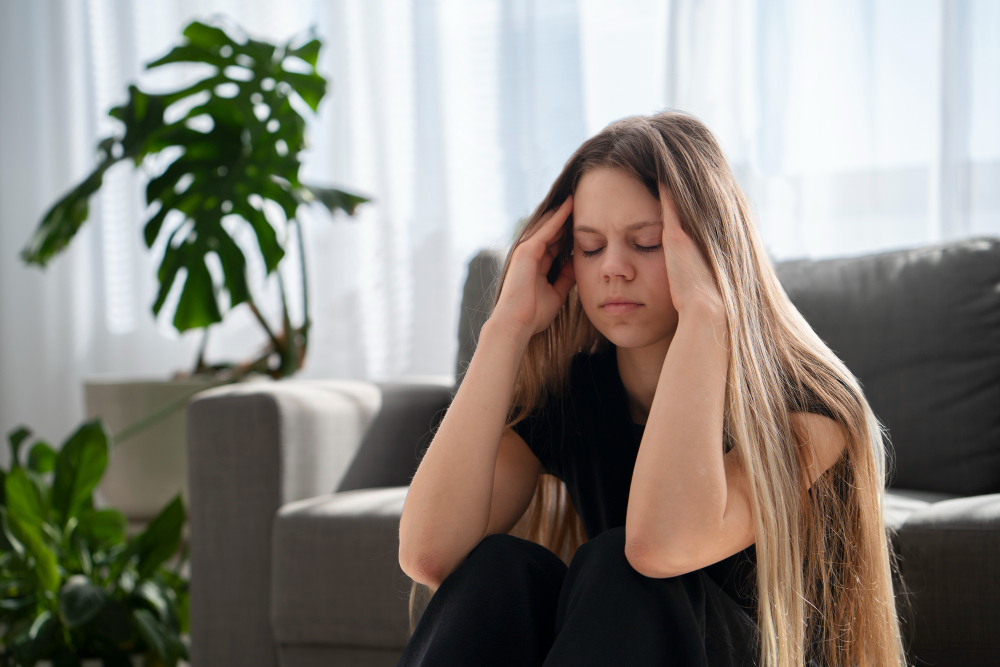
Anxiety can affect every part of daily life, from how you think and sleep to how your body physically feels. For some people, it shows up as constant worry or racing thoughts. For others, it feels more physical, with tension, restlessness, shallow breathing, or an inability to fully relax. Even when there is no immediate danger, the body can remain in a heightened state of alertness, making calm feel frustratingly out of reach.
While anxiety is often approached through talking therapies, lifestyle changes, or medical support, many people also explore complementary therapies to help regulate how they feel. Reiki is one such approach. Known for its calming and restorative nature, Reiki is used by many people seeking a gentler way to support emotional balance. While it is not a replacement for clinical care where needed, it can offer a supportive space for relaxation, nervous system regulation, and emotional reset during stressful periods.
Understanding Anxiety as a Mind-Body Experience
Anxiety is not purely mental. It is a full mind-body experience that affects thoughts, emotions, physical sensations, and behaviour. This is why anxiety often feels exhausting even when nothing visible is happening externally.
When anxiety is triggered, the nervous system prepares the body for action. Heart rate may increase, muscles tighten, breathing becomes shallower, and thoughts often become faster or more repetitive. This response is designed to protect you, but when it remains active too often, it becomes draining rather than helpful.
For some individuals, anxiety is linked to specific triggers. For others, it can feel more general or unpredictable. Either way, the body often becomes stuck in a pattern of hypervigilance and tension.
Because anxiety affects both physical and emotional systems, supportive approaches that address both can feel especially valuable.
- Anxiety affects both body and mind
- Physical symptoms often reinforce emotional distress
- Chronic stress can keep the nervous system activated
- Calm requires more than simply thinking differently
What Reiki Is and Why People Turn to It
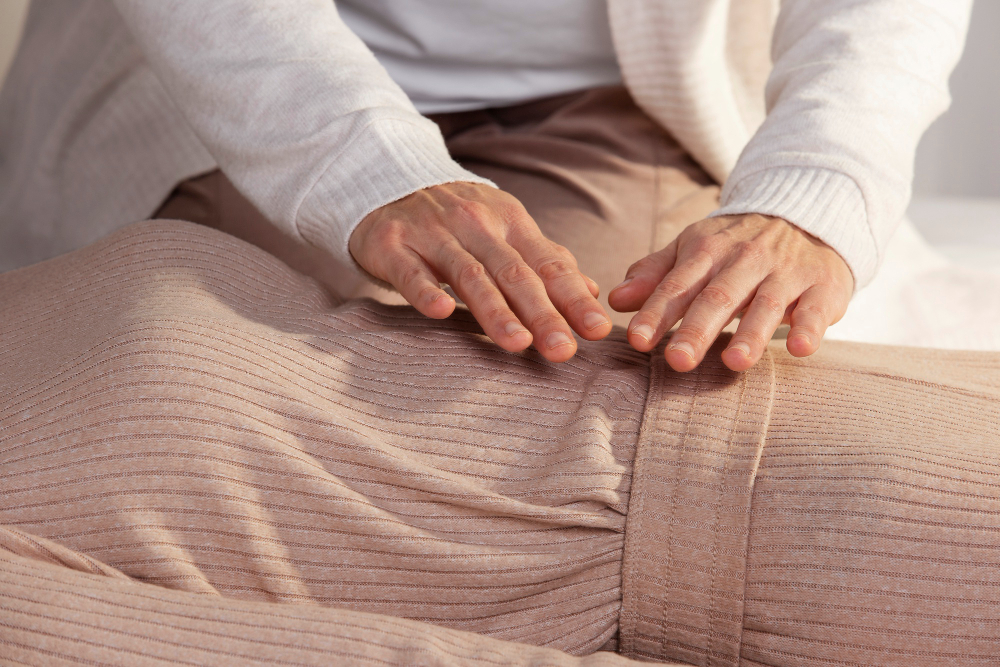
Reiki is a gentle, non-invasive holistic practice focused on encouraging relaxation, balance, and a calmer internal state. Sessions typically involve a practitioner working with light touch or no touch at all while the client remains fully clothed in a restful position.
People are often drawn to Reiki because it offers a quiet and calming environment without pressure to explain or analyse every feeling. For individuals who already feel mentally overloaded, this can be especially appealing.
The emphasis is on supporting relaxation rather than forcing outcomes. This makes Reiki feel accessible to those who struggle with intense emotional states or overstimulation.
Its growing popularity reflects the increasing interest in holistic wellbeing approaches that support both emotional and physical regulation.
- Non-invasive and gentle experience
- Focuses on calm and relaxation
- No pressure for verbal processing
- Often used as a complementary wellbeing practice
How Reiki Encourages Deep Relaxation
Relaxation is one of the most immediate benefits people associate with Reiki. For individuals with anxiety, this can be particularly meaningful because true relaxation often feels difficult to access.
During anxiety, the body remains physically prepared for threat, even when no real danger is present. Reiki encourages the opposite state by creating an environment that supports stillness and calm.
As physical tension begins to reduce, breathing may slow and the body can begin to feel safer and less reactive. This shift can have a noticeable effect on emotional state as well.
Deep relaxation is not simply about comfort. It is a key part of helping the body move away from chronic stress activation.
- Encourages a calm physical state
- Helps reduce muscular tension
- Supports slower, deeper breathing
- Creates conditions for emotional settling
Supporting Nervous System Regulation
The nervous system plays a central role in anxiety. When it remains overactive, even small stressors can trigger disproportionate emotional or physical responses.
Reiki may support nervous system regulation by encouraging a shift away from constant stress activation and towards a more restorative state. This can make emotional responses feel less overwhelming.
When the body feels safer, thoughts often become less chaotic as well. This is why physical relaxation can sometimes improve emotional clarity.
Supporting the nervous system is often one of the most meaningful parts of anxiety management.
- Helps reduce chronic stress activation
- Encourages a more balanced internal state
- Supports calmer emotional responses
- May improve overall resilience to stress
Creating Space Between Thoughts and Reactions
Anxiety often feels immediate and consuming. Thoughts can spiral quickly, making it difficult to pause before reacting emotionally or physically.
Reiki sessions encourage stillness and awareness, which may help create more mental space between anxious thoughts and automatic reactions. This pause can feel incredibly valuable.
Even temporary relief from mental overwhelm can help someone regain perspective and feel less trapped by the anxiety cycle.
This calmer internal space supports emotional regulation and clearer thinking.
- Reduces mental overstimulation
- Encourages greater emotional awareness
- Supports calmer responses to stress
- Helps interrupt anxious thought cycles
Reducing Physical Symptoms of Anxiety
For many people, anxiety is felt strongly in the body. Tight shoulders, jaw tension, chest discomfort, restlessness, and digestive discomfort are all common experiences.
Reiki’s calming approach may help reduce some of this physical tension by encouraging relaxation and reducing stress-related muscle guarding.
When the body feels less physically distressed, anxiety itself may become easier to manage. This mind-body relationship is important.
Supporting the physical symptoms can be a meaningful part of overall emotional relief.
- May ease muscular tension
- Supports physical relaxation
- Helps reduce restlessness
- Encourages greater bodily comfort
Supporting Better Sleep During Anxious Periods
Sleep is often one of the first things affected by anxiety. Racing thoughts, tension, and nervous system overactivation can make both falling asleep and staying asleep difficult.
Reiki’s calming nature may help improve sleep quality by encouraging relaxation before bedtime or reducing general internal tension.
Better sleep improves emotional resilience, concentration, and stress tolerance, making it easier to manage anxiety overall.
Rest is not a luxury during anxiety. It is part of recovery.
- Encourages pre-sleep relaxation
- May reduce nighttime mental overstimulation
- Supports improved recovery through rest
- Helps strengthen emotional resilience
Emotional Release and Processing
Stress and anxiety can create emotional build-up that is difficult to process consciously. Some people feel constantly tense without fully understanding why.
Reiki can create a calm environment where emotional tension begins to soften. Some individuals report feeling lighter, clearer, or more emotionally settled afterwards.
This is not about forcing emotional breakthroughs. It is about creating enough safety for tension to reduce naturally.
Emotional release can be subtle but meaningful.
- Supports emotional decompression
- Encourages gentler emotional processing
- Reduces internal emotional pressure
- Promotes a calmer emotional baseline
Reiki as Part of a Wider Anxiety Support Strategy
Reiki works best as part of a broader approach rather than a standalone cure for anxiety. Different individuals need different types of support depending on severity, triggers, and underlying causes.
For some, Reiki may complement therapy, mindfulness, exercise, breathing work, or medical treatment. For others, it may simply be a useful relaxation tool during stressful periods.
The goal is not to replace evidence-based care where needed, but to add supportive practices that improve overall wellbeing.
A layered approach often creates the most sustainable results.
- Works alongside other supportive strategies
- Complements broader wellbeing routines
- Not intended as a sole treatment solution
- Supports overall emotional balance
Building a More Consistent Sense of Calm
Anxiety often makes calm feel unpredictable or inaccessible. Regular supportive practices can help the body become more familiar with feeling regulated rather than constantly tense.
Reiki may help reinforce this by repeatedly encouraging a calmer internal state. Over time, this familiarity with relaxation can support better emotional self-regulation.
Consistency matters because anxiety patterns are often built through repetition. Calm can be strengthened the same way.
Creating emotional steadiness is a gradual process, not an instant switch.
- Reinforces relaxation through repetition
- Helps normalise calmer internal states
- Supports long-term emotional regulation
- Encourages more consistent balance
What to Expect from a Reiki Session for Anxiety
For someone experiencing anxiety, uncertainty about treatment can itself feel stressful. Understanding what a Reiki session involves can make the experience feel more approachable.
Sessions are typically quiet, gentle, and non-demanding. The client usually lies down fully clothed while the practitioner works calmly in a peaceful setting. Some people feel warmth, heaviness, relaxation, or simply mental stillness. Others may just feel rested afterwards.
There is no requirement to perform, explain, or achieve anything during the session. The focus is simply on allowing space for calm.
That simplicity is often part of what makes Reiki appealing.
- Quiet, low-pressure environment
- Fully clothed and physically comfortable
- No expectation to talk extensively
- Focus remains on relaxation and stillness
Conclusion
Anxiety affects far more than thoughts alone. It impacts the nervous system, physical comfort, sleep, emotional resilience, and the ability to feel grounded in everyday life. Reiki offers a gentle and supportive way to encourage calm by addressing the body’s stress response as well as emotional tension. Through relaxation, nervous system support, and emotional decompression, it may help create meaningful relief during stressful periods.
While Reiki is not a substitute for appropriate clinical treatment where anxiety is severe or persistent, it can be a valuable complementary practice within a wider wellbeing strategy. For individuals looking for a quieter, less demanding way to reconnect with calm, Reiki may offer a supportive and restorative space to begin that process.

5 star reviews

Proven results

Holistic healing

REVIEWS
What clients have to say
Ian very quickly addressed issues I was having with just a conversation this is due to his extensive knowledge within the industry. This allowed him to get straight to work on each muscle group to relieve my pain and symptoms.
If you struggle with food noise or feel like food thoughts dominate your day, I would definitely recommend giving hypnotherapy with Ian a try. It’s been a surprisingly empowering experience.
Hypnotherapy has totally changed my outlook on life and changed me to thinking much more positive. Ian was very professional and his treatment room is a lovely relaxing space. I can’t thank Ian enough for everything.
Everything was easy to understand, and he gave me certain activities to complete, through the day, and prior to going to bed in the evening, and the results are amazing. I am sleeping a lot better, find it easier to fall asleep, but the main thing for me was waking up less through the night.
From the beginning of the therapy my sleep improved and gradually over the sessions my symptoms reduced. By the end of my course of therapy I felt much stronger and empowered to deal with daily life.
The way Ian explained the root cause and how hypnotherapy could help made sense and I bought into this from day one. I started to feel improvement after my first session and after 3 sessions the difference was massive.
I believe hypnotherapy has helped me to reverse a lot of and allowed my thought patterns to become more positive. This has given me the belief that I will get better.
I saw Ian for four hypnotherapy sessions to help with my long-standing fear of flying, and the results were amazing. He created a calm, supportive environment and guided me through techniques that helped shift my mindset.
After a few weeks I felt more positive, relaxed and was sleeping better. I still have some work to do but I feel Ian has provided me with the tools to make positive changes moving forward.