
Trying something unfamiliar can naturally bring a mix of curiosity and uncertainty, especially when it involves wellbeing or holistic practices. Reiki is one of those therapies that many people have heard about but may not fully understand before experiencing it themselves. Questions about what actually happens during a session, how it feels, and what to expect afterwards are completely normal, particularly for beginners approaching Reiki for the first time.
One of the reasons Reiki continues to grow in popularity is because of its gentle and calming nature. Unlike more physically demanding treatments, Reiki is designed to create a peaceful environment where the body and mind can relax. While each person’s experience is unique, understanding the general process beforehand can help remove uncertainty and allow you to approach your first session feeling more comfortable and open to the experience.
Understanding What Reiki Is
Reiki is a holistic practice focused on relaxation, balance, and overall wellbeing. It originated in Japan and is based around the idea of supporting the body’s natural ability to restore balance.
The practice itself is gentle and non-invasive. Sessions are typically quiet, calm, and designed to encourage a deep sense of relaxation rather than physical manipulation or forceful treatment.
Unlike massage therapy, Reiki does not involve muscular pressure or physical adjustment. The emphasis is on creating a supportive environment where tension can begin to settle naturally.
Many people explore Reiki as part of a wider wellbeing routine to support stress management, emotional balance, and relaxation.
- Gentle and non-invasive approach
- Focuses on relaxation and balance
- Different from massage or physical therapy
- Commonly used for overall wellbeing support
Why People Try Reiki for the First Time
People are drawn to Reiki for many different reasons. Some are looking for relaxation during stressful periods, while others are simply curious about holistic therapies and want to experience something new.
For some individuals, traditional relaxation methods may feel difficult because the mind stays constantly active. Reiki’s calm and quiet environment can feel different from more structured or mentally demanding approaches.
Others may explore Reiki as part of emotional wellbeing support, stress reduction, or self-care routines.
Regardless of the reason, most beginners arrive simply wanting to feel calmer, lighter, or more balanced.
- Often explored for stress reduction
- Appeals to people seeking calm and relaxation
- Used as part of self-care routines
- Many beginners start from simple curiosity
What Happens Before the Session Begins
Before the session starts, the practitioner will usually explain the process and ask a few simple questions about your wellbeing, comfort, or reasons for attending.
This conversation is typically relaxed and informal. There is no pressure to share deeply personal information unless you choose to. The goal is simply to help create a comfortable and supportive experience.
You may also have the opportunity to ask questions if you are unsure about anything. This helps reduce uncertainty before the session begins.
Feeling informed and comfortable is an important part of the overall experience.
- Practitioner explains the process clearly
- Opportunity to ask questions beforehand
- No pressure for extensive personal discussion
- Focus remains on comfort and reassurance
What the Environment Is Usually Like
Reiki sessions are normally carried out in a calm and quiet setting designed to encourage relaxation. The atmosphere is often peaceful, with soft lighting or calming surroundings.
The aim is to help reduce external stimulation so the body and mind can begin to settle. This environment alone can already feel relaxing for people used to constant noise or mental activity.
Unlike clinical treatment rooms, Reiki spaces are generally designed to feel warm, comfortable, and calming rather than medical.
The environment plays a significant role in helping people feel at ease.
- Calm and quiet atmosphere
- Comfortable and relaxing setting
- Minimal external stimulation
- Designed to encourage mental stillness
What You Wear During a Reiki Session
One of the most reassuring things for beginners is that Reiki is performed fully clothed. There is no need to undress or change into treatment garments.
Comfortable clothing is usually recommended so you can relax more easily during the session. Tight or restrictive clothing may make it harder to feel physically comfortable.
Most sessions involve lying on a treatment table, although seated sessions can also be offered if needed.
The overall experience is designed to feel simple and accessible.
- Sessions are fully clothed
- Comfortable clothing is recommended
- Usually performed lying down
- Designed to feel relaxed and non-invasive
What the Practitioner Actually Does
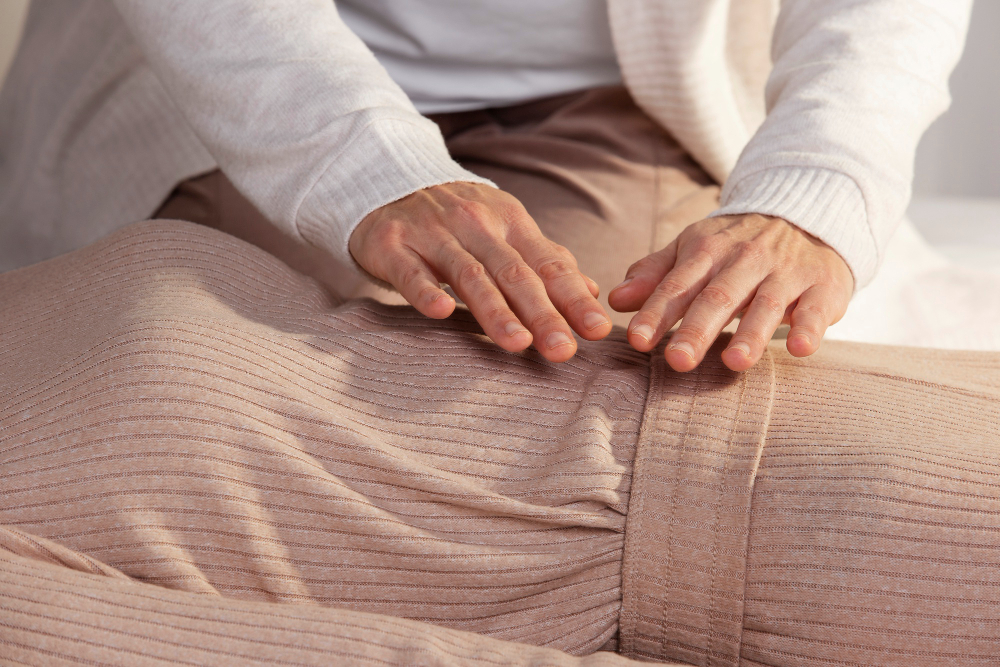
During the session, the practitioner typically places their hands lightly on or just above different areas of the body. The exact approach may vary slightly depending on the practitioner’s style.
There is no forceful pressure, manipulation, or physical adjustment involved. The touch, if used at all, is generally very light and still.
The session usually takes place mostly in silence, allowing you to relax without needing to actively participate or perform in any way.
For many beginners, the simplicity of the process is often surprising.
- Light touch or hands hovering above the body
- No muscular pressure or manipulation
- Quiet and still treatment style
- No active effort required from the client
Common Sensations During Reiki
Experiences during Reiki vary from person to person. Some people notice physical sensations, while others mainly experience mental relaxation or emotional calm.
Common sensations may include warmth, heaviness, tingling, drifting thoughts, or a feeling of deep stillness. Some people simply feel rested afterwards without noticing anything dramatic during the session itself.
It is also completely normal to feel very little physically while still benefiting from the relaxation experience.
There is no “correct” reaction during Reiki.
- Some people notice warmth or tingling
- Others mainly experience relaxation
- Calmness and mental quiet are common
- Every experience is individual
Why Relaxation Often Feels So Deep
Many people are surprised by how deeply relaxed they feel during Reiki, particularly if they struggle to switch off in everyday life.
Part of this comes from the combination of stillness, quiet surroundings, reduced stimulation, and the intentional slowing down of the environment.
The body often responds by reducing muscular tension and shifting away from constant stress activation. This can create a noticeable sense of calm.
Deep relaxation is one of the most commonly reported outcomes of Reiki sessions.
- Encourages nervous system calming
- Reduces physical and mental tension
- Creates space away from daily stress
- Supports a deeper sense of rest
Emotional Responses During or After Sessions
Sometimes people notice emotional responses during or after Reiki, particularly if they have been carrying stress or tension for long periods.
This does not necessarily mean dramatic emotional release. It may simply feel like lightness, clarity, calmness, or relief from mental pressure.
For others, the emotional effect may be subtle and unfold gradually over time.
Emotional experiences are highly individual and should not be forced or expected.
- Emotional responses vary greatly
- Some people feel lighter or calmer afterwards
- Others notice subtle emotional shifts
- No specific outcome should be expected
What Happens After the Session Ends
After the session, most practitioners allow a few moments for you to sit up slowly and re-adjust before leaving. Many people feel relaxed, calm, or mentally quieter afterwards.
Some individuals notice improved sleep, reduced tension, or greater emotional steadiness later in the day. Others simply feel more rested than before the session began.
Hydration and rest are often encouraged afterwards, especially if the session felt deeply relaxing.
The effects may feel immediate or more gradual depending on the individual.
- Most people feel calm or rested afterwards
- Some notice better sleep or reduced stress
- Gradual effects are common
- Gentle recovery time may be encouraged
How Many Sessions People Usually Have
Some people try Reiki once out of curiosity, while others incorporate it more regularly into their wellbeing routine. There is no fixed rule regarding session frequency.
Individuals dealing with ongoing stress or emotional overwhelm may choose more regular sessions for consistent support. Others may book sessions occasionally when they feel the need to reset or recharge.
The right approach depends on personal preference and wellbeing goals.
Reiki is generally approached flexibly rather than rigidly.
- Some people attend occasionally
- Others use Reiki regularly for wellbeing support
- Frequency depends on personal goals
- Flexible rather than prescriptive approach
Reiki as Part of a Wider Wellbeing Routine
Reiki is often most effective when viewed as one part of a broader approach to wellbeing. Sleep, stress management, exercise, therapy, nutrition, and healthy routines all contribute to emotional and physical health.
Many people combine Reiki with mindfulness, counselling, yoga, meditation, or other supportive practices.
Rather than replacing other forms of care, Reiki is commonly used as a complementary tool that supports relaxation and balance.
This wider perspective often creates the most sustainable results.
- Works alongside other wellbeing practices
- Complements therapy and mindfulness
- Supports stress management routines
- Encourages balanced self-care habits
Letting Go of Expectations
One of the most helpful things for beginners is to approach Reiki without pressure to experience something dramatic or life-changing immediately.
Some sessions feel deeply noticeable, while others feel subtle and quiet. Neither experience is more correct than the other.
The goal is not performance or instant transformation. It is simply allowing yourself time and space to slow down and reconnect with calm.
Removing expectation often makes the experience more comfortable and natural.
- No “perfect” Reiki experience exists
- Subtle experiences are completely normal
- Relaxation itself is valuable
- Openness often improves comfort levels
Conclusion
Your first Reiki session is usually far gentler and simpler than many beginners expect. Rather than involving physical manipulation or intense emotional work, Reiki focuses on creating a calm and supportive environment where the body and mind can relax. Through stillness, quiet, and nervous system calming, many people leave sessions feeling lighter, calmer, or more emotionally balanced.
While every experience is individual, understanding what happens beforehand can help remove uncertainty and make the process feel far more approachable. Whether you are exploring Reiki out of curiosity, stress, emotional overwhelm, or a desire for deeper relaxation, approaching your first session with openness and realistic expectations allows you to experience it in the most comfortable and natural way possible.


5 star reviews

Proven results

Holistic healing


REVIEWS
What clients have to say
From the beginning of the therapy my sleep improved and gradually over the sessions my symptoms reduced. By the end of my course of therapy I felt much stronger and empowered to deal with daily life.
Hypnotherapy has totally changed my outlook on life and changed me to thinking much more positive. Ian was very professional and his treatment room is a lovely relaxing space. I can’t thank Ian enough for everything.
If you struggle with food noise or feel like food thoughts dominate your day, I would definitely recommend giving hypnotherapy with Ian a try. It’s been a surprisingly empowering experience.
Ian very quickly addressed issues I was having with just a conversation this is due to his extensive knowledge within the industry. This allowed him to get straight to work on each muscle group to relieve my pain and symptoms.
Everything was easy to understand, and he gave me certain activities to complete, through the day, and prior to going to bed in the evening, and the results are amazing. I am sleeping a lot better, find it easier to fall asleep, but the main thing for me was waking up less through the night.
I believe hypnotherapy has helped me to reverse a lot of and allowed my thought patterns to become more positive. This has given me the belief that I will get better.
I saw Ian for four hypnotherapy sessions to help with my long-standing fear of flying, and the results were amazing. He created a calm, supportive environment and guided me through techniques that helped shift my mindset.
The way Ian explained the root cause and how hypnotherapy could help made sense and I bought into this from day one. I started to feel improvement after my first session and after 3 sessions the difference was massive.
After a few weeks I felt more positive, relaxed and was sleeping better. I still have some work to do but I feel Ian has provided me with the tools to make positive changes moving forward.