
Grief changes everything — how we think, how we feel, and how we move through the world. It is not only an emotional experience but a physical and spiritual one, affecting every layer of our being. While time softens its sharpest edges, healing from loss often requires more than waiting. It calls for gentle support, safe space, and reconnection to the inner stillness that pain can obscure.
Reiki offers a compassionate path through this process. Rooted in the Japanese tradition of energy healing, Reiki works by restoring balance within the body’s energy system, helping to release emotional heaviness and promote peace. It doesn’t erase grief — instead, it helps you carry it with greater ease.
In this post, we explore how Reiki supports emotional healing after loss, what happens during a session, and how the experience can guide you towards comfort, acceptance, and renewal.
Understanding Grief as an Energy Experience
Grief is often described as an emotion, but it also affects the body’s energy system. The deep sadness, fatigue, or emotional numbness people feel after loss reflect energetic disruption — areas where flow has slowed or become blocked. Reiki helps re-establish this flow, allowing the natural process of healing to unfold.
- Grief can cause stagnation in the body’s emotional energy field.
- Blocked energy may feel like heaviness, exhaustion, or tightness.
- Reiki restores movement, releasing the energy of sadness or tension.
- Renewed flow supports calm, balance, and emotional recovery.
How Reiki Supports Emotional Healing
Reiki’s calming nature helps the body shift from survival mode to a state of relaxation and safety. This gentle transition allows deep emotional layers to surface and release without overwhelming the mind. Through stillness, Reiki supports healing where words cannot always reach.
- Encourages relaxation, reducing anxiety and emotional fatigue.
- Helps release trapped emotions held within the body.
- Provides a quiet space to process grief without pressure or expectation.
- Promotes deep emotional cleansing through energetic realignment.
The Role of Energy in Emotional Release
When emotional energy becomes stuck, it can manifest as tension, restlessness, or physical pain. Reiki works to release these stored emotions gradually and safely, restoring harmony to the mind and body. Over time, this release creates emotional clarity and renewed strength.
- Clears energy blockages created by suppressed or unresolved grief.
- Supports emotional detoxification in a calm, controlled way.
- Promotes self-awareness by reconnecting mind and body.
- Allows healing to occur naturally through energetic balance.
What to Expect in a Reiki Session
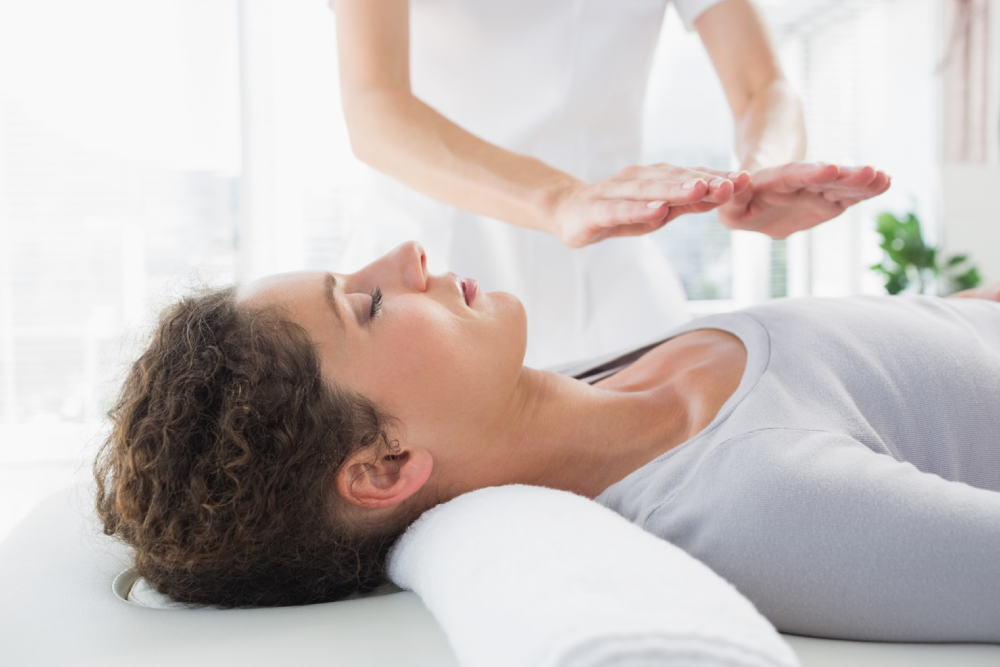
A Reiki session is deeply peaceful and requires no effort from you. You may lie fully clothed on a treatment table while the practitioner gently places their hands above or on your body. Some people feel warmth, tingling, or waves of calm as energy begins to move.
- Sessions usually last 45 to 60 minutes in a quiet, relaxed setting.
- The practitioner channels universal life energy through their hands.
- Clients may experience sensations of heat, lightness, or deep calm.
- Emotional release, tears, or spontaneous relaxation are natural responses.
The Emotional Effects After a Session
After Reiki, it’s common to feel lighter or more at peace, though emotions may fluctuate for a short while as energy continues to rebalance. Some people feel immediate relief; others experience subtle shifts over days or weeks. This unfolding is part of the healing journey.
- Emotional sensitivity can temporarily increase before easing.
- Deep calm often follows, even amid ongoing grief.
- Dreams or memories may surface for gentle processing.
- Continued sessions support integration and lasting stability.
Reiki as a Safe Space for Expression
Grief can be difficult to talk about, especially when others expect us to “move on.” Reiki offers a space where silence heals as effectively as words. It allows emotions to express themselves freely, without judgement or analysis.
- Creates emotional safety through compassionate presence.
- Provides non-verbal support for those unable to express grief aloud.
- Encourages release through stillness, breath, and subtle energy shifts.
- Validates feelings, helping individuals feel seen and understood.
Balancing the Heart and Solar Plexus Chakras
In energy healing, grief often affects the heart and solar plexus chakras — centres associated with love, loss, and personal strength. Reiki helps clear and rebalance these areas, restoring openness and grounding after emotional upheaval.
- The heart chakra may feel heavy or closed during grief.
- Reiki restores flow, allowing love and compassion to return gently.
- The solar plexus regains strength, easing feelings of helplessness.
- Balanced chakras promote emotional resilience and acceptance.
Physical Symptoms of Grief and Reiki’s Role
Emotional pain frequently manifests in the body as tension, fatigue, or shallow breathing. Reiki’s gentle touch helps release these physical symptoms, easing the burden that grief places on the nervous and immune systems.
- Reduces muscle tightness, headaches, or chest heaviness.
- Supports deeper, more restorative breathing.
- Improves sleep disrupted by stress or sadness.
- Encourages physical relaxation that supports emotional calm.
Supporting the Mind-Body Connection
Reiki helps rebuild awareness of the body, which grief can often disconnect. By grounding attention in physical sensations and breath, Reiki reminds the mind of the body’s capacity for safety and presence, allowing emotional healing to follow naturally.
- Restores harmony between mental and physical awareness.
- Encourages mindfulness through sensations of warmth or energy.
- Helps the body release stress responses associated with loss.
- Strengthens inner balance during emotional recovery.
Reiki as a Complement to Traditional Grief Support
Reiki works well alongside counselling, therapy, or support groups. It doesn’t replace talking therapies but enhances them by calming the body and clearing emotional blockages. This balance allows mental and emotional processing to happen more easily.
- Complements psychological and medical approaches to healing.
- Calms the nervous system, aiding clarity in counselling sessions.
- Reduces emotional overload during difficult discussions.
- Promotes integration of insights gained through other therapies.
Reconnecting with Inner Peace
Grief often disconnects us from peace, leaving the mind in turmoil. Reiki helps restore access to that still, quiet centre within — a place of acceptance and presence. Through consistent sessions, clients often rediscover a sense of grounded calm and spiritual trust.
- Re-establishes emotional balance through steady energy flow.
- Encourages acceptance without suppressing sadness.
- Fosters connection to the present moment and inner stillness.
- Builds a foundation of calm that supports daily life.
Spiritual Perspectives on Grief and Reiki
Reiki does not follow a specific religion but embraces spiritual awareness. Many people find comfort in the sense of connection it brings — to themselves, to their loved ones, and to life itself. This wider perspective can make loss feel less isolating.
- Promotes awareness of life as a continuous flow of energy.
- Encourages spiritual reflection without doctrine or pressure.
- Offers a sense of connection that transcends physical loss.
- Inspires gratitude, hope, and gentle renewal of faith in life.
How Long-Term Reiki Practice Supports Healing
Grief evolves with time, and so does healing. Continued Reiki sessions help maintain balance as emotions change and new stages of acceptance unfold. Over months, Reiki becomes not just a treatment but a supportive rhythm in everyday life.
- Reinforces emotional stability through regular energy alignment.
- Prevents energy stagnation as grief continues to shift.
- Encourages gentle transformation rather than forced healing.
- Builds ongoing resilience and inner strength.
Preparing for Your First Reiki Session
Before your first Reiki session, it’s natural to feel uncertain or emotional. The process is gentle, and there is no need to do anything except arrive as you are. The practitioner’s role is to create a peaceful environment where healing can unfold naturally.
- Wear comfortable clothing and arrive with an open mind.
- Drink water before and after to support energy flow.
- Allow emotions to surface without judgement or resistance.
- Reflect after the session to notice subtle changes and insights.
Self-Reiki and Continuing Emotional Care
Many clients go on to learn self-Reiki as part of their long-term healing journey. Self-treatment allows continued support between sessions, helping sustain emotional balance and peace through daily practice.
- Self-Reiki maintains alignment between professional sessions.
- Encourages self-awareness and compassion in daily life.
- Provides comfort during moments of sadness or reflection.
- Strengthens emotional independence and spiritual connection.
Conclusion
Grief transforms us, but healing allows that transformation to become growth rather than despair. Reiki offers a space for this healing to unfold — not through effort, but through surrender to peace. Its gentle energy reaches beyond words, easing the heart’s weight and helping the mind rediscover balance.
Through relaxation, compassion, and the restoration of energy flow, Reiki supports each stage of emotional recovery. It reminds us that even in loss, we are never truly disconnected from love or life. Healing doesn’t mean forgetting the person or experience we have lost; it means remembering them with greater peace. Reiki becomes a bridge — guiding us from pain towards presence, from grief towards grace, and from sorrow towards quiet acceptance.

5 star reviews

Proven results

Holistic healing


REVIEWS
What clients have to say
If you struggle with food noise or feel like food thoughts dominate your day, I would definitely recommend giving hypnotherapy with Ian a try. It’s been a surprisingly empowering experience.
Ian very quickly addressed issues I was having with just a conversation this is due to his extensive knowledge within the industry. This allowed him to get straight to work on each muscle group to relieve my pain and symptoms.
Everything was easy to understand, and he gave me certain activities to complete, through the day, and prior to going to bed in the evening, and the results are amazing. I am sleeping a lot better, find it easier to fall asleep, but the main thing for me was waking up less through the night.
From the beginning of the therapy my sleep improved and gradually over the sessions my symptoms reduced. By the end of my course of therapy I felt much stronger and empowered to deal with daily life.
Hypnotherapy has totally changed my outlook on life and changed me to thinking much more positive. Ian was very professional and his treatment room is a lovely relaxing space. I can’t thank Ian enough for everything.
The way Ian explained the root cause and how hypnotherapy could help made sense and I bought into this from day one. I started to feel improvement after my first session and after 3 sessions the difference was massive.
I saw Ian for four hypnotherapy sessions to help with my long-standing fear of flying, and the results were amazing. He created a calm, supportive environment and guided me through techniques that helped shift my mindset.
I believe hypnotherapy has helped me to reverse a lot of and allowed my thought patterns to become more positive. This has given me the belief that I will get better.
After a few weeks I felt more positive, relaxed and was sleeping better. I still have some work to do but I feel Ian has provided me with the tools to make positive changes moving forward.