
Both sports massage and deep tissue massage are known for their firm pressure and focus on muscular health, which often leads to confusion between the two. However, each technique is rooted in different goals and methods. Understanding these differences can help you choose the right therapy for your body, your lifestyle, and your recovery needs.
In this blog post, we’ll break down the core distinctions between sports massage and deep tissue massage. We’ll also explore when and why you might choose one over the other, who benefits most from each type, and how to make an informed decision about your treatment plan.
Origins and Purpose
The foundational goals of sports massage and deep tissue massage are different, even if the techniques may look similar on the surface. Sports massage is designed to support physical activity and performance, while deep tissue massage focuses on breaking down chronic tension and restoring natural movement.
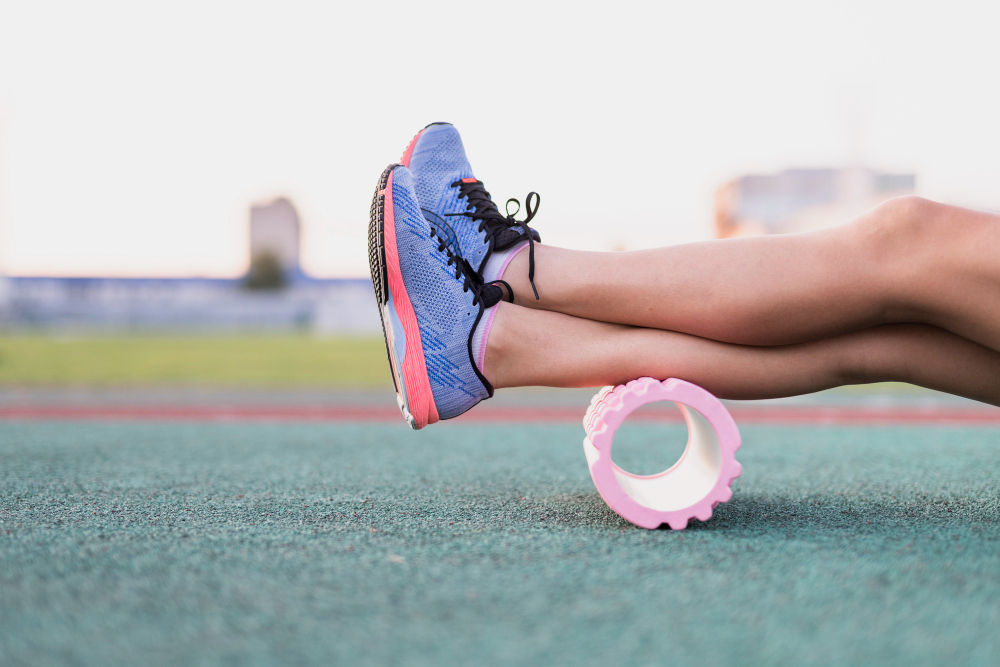
- Sports massage was developed to prepare the body for athletic performance and aid post-event recovery.
- Deep tissue massage evolved from Swedish massage techniques, aimed at treating long-standing muscular issues.
- Sports massage often includes stretching, mobilisation, and functional movement assessments.
- Deep tissue massage relies more on slow, sustained pressure to reach deeper layers of muscle and fascia.
Target Audience
One of the key distinctions lies in who typically benefits most from each massage type. While there is some overlap, your background and current needs will often determine the most appropriate treatment.
- Sports massage is ideal for athletes, gym-goers, and active individuals looking to maintain peak performance.
- Deep tissue massage suits those with chronic pain, posture problems, or stress-related muscle tension.
- People recovering from soft tissue injuries may benefit from either, depending on the stage of healing.
- Your therapist can recommend one over the other based on your goals—whether recovery, prevention, or rehabilitation.
Techniques Used
Although both treatments use firm pressure, their techniques vary significantly. Sports massage is more dynamic, while deep tissue massage tends to be slower and more focused on specific problem areas.
- Sports massage often includes active and passive stretching, friction, compression, and muscle energy techniques.
- Deep tissue massage uses slow strokes and deep finger pressure to reach below superficial muscles.
- Sports massage sessions may feel more interactive and targeted around movement or exercise routines.
- Deep tissue massage generally works on one area at a time, with prolonged pressure to release tension.
Focus Areas of the Body
Both massages can be tailored to suit individual needs, but they naturally gravitate toward different focus areas depending on the condition being treated. These differences influence the results and overall experience.
- Sports massage often targets major muscle groups used in athletic activities, such as quads, hamstrings, and shoulders.
- Deep tissue massage concentrates on chronic tension zones, such as the lower back, neck, or hips.
- In sports massage, treatment areas may change depending on pre-event or post-event needs.
- Deep tissue massage usually focuses on restoring balance to areas with long-term strain or restriction.
Intensity and Discomfort
One of the most commonly asked questions about both massage types is how intense they are. While both can feel quite firm, their intensity and potential discomfort levels are not always the same.
- Sports massage can range from gentle to intense depending on its purpose—preparation, maintenance, or recovery.
- Deep tissue massage is often associated with a “good pain” sensation as pressure is used to release adhesions.
- Discomfort should never cross the line into sharp pain; clear communication with your therapist is essential.
- Recovery time from deep tissue massage may be slightly longer due to the depth and nature of the work.
Goals and Outcomes
The end goal of each massage style is to improve wellbeing, but how they get there differs. Understanding these goals can help ensure your treatment aligns with what you want to achieve.
- Sports massage aims to optimise physical performance, reduce injury risk, and aid quick recovery.
- Deep tissue massage targets chronic pain, muscle knots, and tension built up from stress or postural issues.
- Sports massage supports short-term performance as well as long-term musculoskeletal health.
- Deep tissue massage focuses on deep, lasting release rather than immediate performance gains.
Session Structure and Approach
The structure of a typical session will differ between the two approaches. How your therapist assesses and treats you depends heavily on whether your needs are performance-related or pain-oriented.
- Sports massage sessions often begin with movement assessments and may involve active participation during treatment.
- Deep tissue sessions tend to follow a quieter, more focused structure with attention to one or two areas.
- Sports massage may use a more clinical tone, especially when tied to training cycles or rehab plans.
- Deep tissue massage is often delivered in a more spa-like or holistic setting, with calming techniques included.
Integration with Other Therapies
Each massage style integrates differently with other treatments or therapies. Your health goals may be best served by combining massage with other approaches, and knowing how each works can aid that decision.
- Sports massage works well alongside physiotherapy, strength training, and rehabilitation programmes.
- Deep tissue massage is frequently combined with stress management practices like yoga, breathwork, or psychotherapy.
- Sports massage may be part of a larger sports medicine or performance plan, often with measurable goals.
- Deep tissue massage is ideal for people managing chronic pain or stress conditions with a long-term wellness approach.
Frequency and Aftercare
How often you receive massage and what aftercare is needed can depend on which type you choose. Your body’s response and overall lifestyle should guide this.
- Sports massage may be scheduled regularly during training or after major events to support recovery cycles.
- Deep tissue massage is often spaced out more to allow time for the body to process and heal deeply worked tissues.
- After sports massage, clients may return to activity the same day depending on intensity.
- After deep tissue massage, rest and hydration are often encouraged due to the release of toxins and deeper stimulation.
Which Should You Choose?
Deciding between sports massage and deep tissue massage isn’t always clear-cut, but understanding your goals makes the choice easier. In some cases, blending elements of both may be most beneficial.
- Choose sports massage if you’re active, training, or need support for movement-related goals.
- Opt for deep tissue massage if you experience chronic tension, desk-related strain, or emotional stress in the body.
- If you’re unsure, discuss your symptoms and lifestyle with your therapist to choose the right approach.
- A personalised plan can often incorporate both styles at different stages depending on your needs.
Conclusion
While sports massage and deep tissue massage may seem similar in practice, they serve distinctly different purposes. One is performance-driven, ideal for athletes and active individuals; the other is recovery-focused, best for those with long-standing pain or tension. Both offer therapeutic value—but choosing the right one depends on your goals, body, and lifestyle.
A well-informed decision leads to better outcomes, whether you’re training for a marathon, managing a stressful desk job, or simply looking to move more freely. Speak to your therapist, consider your symptoms, and give your body the support it needs in the most effective way possible.

5 star reviews

Proven results

Holistic healing

REVIEWS
What clients have to say
Hypnotherapy has totally changed my outlook on life and changed me to thinking much more positive. Ian was very professional and his treatment room is a lovely relaxing space. I can’t thank Ian enough for everything.
If you struggle with food noise or feel like food thoughts dominate your day, I would definitely recommend giving hypnotherapy with Ian a try. It’s been a surprisingly empowering experience.
From the beginning of the therapy my sleep improved and gradually over the sessions my symptoms reduced. By the end of my course of therapy I felt much stronger and empowered to deal with daily life.
Everything was easy to understand, and he gave me certain activities to complete, through the day, and prior to going to bed in the evening, and the results are amazing. I am sleeping a lot better, find it easier to fall asleep, but the main thing for me was waking up less through the night.
Ian very quickly addressed issues I was having with just a conversation this is due to his extensive knowledge within the industry. This allowed him to get straight to work on each muscle group to relieve my pain and symptoms.
I believe hypnotherapy has helped me to reverse a lot of and allowed my thought patterns to become more positive. This has given me the belief that I will get better.
After a few weeks I felt more positive, relaxed and was sleeping better. I still have some work to do but I feel Ian has provided me with the tools to make positive changes moving forward.
The way Ian explained the root cause and how hypnotherapy could help made sense and I bought into this from day one. I started to feel improvement after my first session and after 3 sessions the difference was massive.
I saw Ian for four hypnotherapy sessions to help with my long-standing fear of flying, and the results were amazing. He created a calm, supportive environment and guided me through techniques that helped shift my mindset.