
Stress is a universal experience. Whether it’s the relentless pace of work, family pressures, financial strain, or the emotional toll of daily life, most of us know what it’s like to feel overwhelmed. The body reacts to stress in a variety of ways—tight muscles, headaches, sleepless nights, mood swings, or even digestive issues. Over time, chronic stress can lead to more serious health problems such as high blood pressure, anxiety disorders, or burnout.
The good news? There are proven techniques to reduce stress that go beyond clichés and actually work. These strategies are backed by science and real-life experience, offering practical tools for people who are ready to feel better, think clearer, and regain control. In this post, we’ll explore a variety of approaches—from physical therapies and mindset shifts to daily rituals you can adopt today.
Progressive Muscle Relaxation
Progressive Muscle Relaxation (PMR) is a technique that involves tensing and relaxing different muscle groups throughout the body in a systematic order. It helps you become more aware of where you hold tension and gives you a way to release it.
- Begin with your feet and work your way up to your head
- Tense each muscle group for 5–10 seconds, then release for 20 seconds
- Breathe deeply and stay focused on the contrast between tension and relaxation
- Practise daily to reduce baseline stress and improve body awareness
PMR is especially useful for people who struggle to “switch off” and often feel physically restless or wound up at the end of the day.
Deep Breathing Exercises
Breathing is one of the body’s most accessible and effective stress management tools. Shallow breathing reinforces anxiety and tension, while slow, deep breaths activate the parasympathetic nervous system—your body’s natural relaxation response.
- Try box breathing: inhale for 4, hold for 4, exhale for 4, hold for 4
- Focus on expanding the belly rather than the chest
- Set a timer for 5–10 minutes and practise regularly
- Use breathing techniques during moments of high stress, such as before meetings or during conflict
With consistent use, deep breathing helps regulate emotions, calm the mind, and reduce the physical symptoms of anxiety.
Massage Therapy
Massage is one of the most effective and enjoyable ways to reduce stress. It works on multiple levels—relaxing tight muscles, improving circulation, and signalling to the brain that it’s safe to relax.
- Reduces cortisol (stress hormone) levels in the body
- Boosts serotonin and dopamine to improve mood
- Relieves physical tension caused by prolonged sitting or repetitive tasks
- Encourages better sleep and relaxation through nervous system regulation
Regular massage therapy sessions can support long-term stress reduction, particularly for those who carry tension in the neck, shoulders, or back.
Guided Hypnotherapy
Hypnotherapy targets the subconscious mind, where many stress-related patterns originate. Through deep relaxation and guided suggestion, hypnotherapy helps reprogram unhelpful thoughts and emotional responses.
- Teaches the brain new ways to respond to stress triggers
- Helps resolve root causes of anxiety and overwhelm
- Encourages positive thinking and emotional resilience
- Promotes a calm, centred state through regular practice
Whether working with a hypnotherapist or using recordings, this technique is ideal for people who feel stuck in negative thought cycles or experience anxiety regularly.
Journaling and Expressive Writing
Putting your thoughts down on paper is a powerful way to manage stress. Journaling allows you to clarify your emotions, process difficult situations, and gain perspective on what’s really bothering you.
- Use a notebook or digital journal to record daily reflections
- Write without censoring or editing—let your thoughts flow freely
- Try prompts like “What’s weighing on me today?” or “What do I need right now?”
- Revisit entries to notice patterns and progress over time
Regular journaling is especially beneficial for people who feel mentally cluttered, overwhelmed, or emotionally blocked.
Physical Activity
Exercise isn’t just good for your body—it’s one of the fastest ways to shake off stress. Physical activity floods your system with feel-good endorphins, clears your mind, and boosts energy levels.
- Choose something you enjoy: walking, dancing, swimming, yoga, or team sports
- Even 10 minutes of movement can change your mood
- Combine movement with music or nature for an extra boost
- Create a consistent schedule to support stress resilience
For those who sit for long hours or feel mentally drained, movement acts as a physical reset and restores mental clarity.
Mindfulness and Meditation
Mindfulness involves paying attention to the present moment without judgement. Meditation strengthens this practice by creating a dedicated space to observe your thoughts and feelings with calm awareness.
- Practise seated meditation, mindful walking, or mindful eating
- Use apps like Headspace, Calm, or Insight Timer to guide your sessions
- Start with 5 minutes a day and build gradually
- When thoughts wander, gently bring your focus back to your breath
Mindfulness and meditation help reduce reactivity, improve focus, and cultivate a sense of inner peace—even in challenging situations.
Reiki and Energy Healing
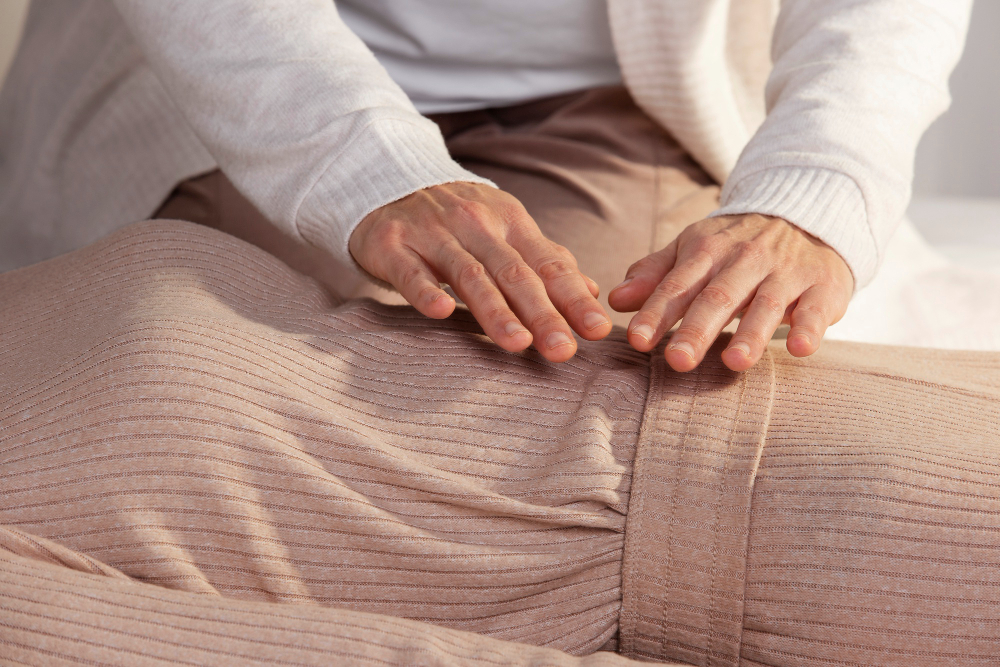
Reiki is a form of energy therapy that promotes deep relaxation and emotional balance. Practitioners use light touch or hand movements over the body to help clear energy blockages and restore flow.
- Reduces stress by calming the nervous system
- Helps release emotional tension stored in the body
- Encourages self-healing and emotional insight
- Can be used alongside other therapies for a holistic approach
Many people find Reiki especially helpful when traditional stress relief methods don’t go far enough in addressing emotional overwhelm.
Creating Boundaries and Saying No
One of the most practical and overlooked stress relief techniques is boundary setting. Many people experience burnout not because they do too much—but because they feel they can’t say no.
- Identify areas where your time or energy is being overextended
- Practise polite but firm ways to decline commitments
- Schedule time for yourself with the same importance as work
- Notice how your body feels when boundaries are respected
Learning to say no isn’t selfish—it’s essential for protecting your health and maintaining long-term balance.
Reducing Stimulation
Modern life is full of stimulation: screens, notifications, noise, information overload. Reducing external input can give your nervous system a break and help you reconnect with yourself.
- Create a “quiet hour” each day without screens or music
- Spend time in nature to recalibrate your senses
- Limit social media scrolling and constant news exposure
- Declutter your environment to reduce visual stress
Less stimulation means more room for your brain to rest, process, and recover from daily stressors.
Sleep Hygiene
Poor sleep is both a cause and symptom of stress. Developing good sleep hygiene habits can significantly improve your ability to manage daily pressure.
- Set a consistent sleep schedule, even on weekends
- Avoid caffeine and screens in the hour before bed
- Create a calming wind-down routine with dim lighting and quiet activities
- Keep your bedroom cool, dark, and clutter-free
When you sleep well, your emotional resilience, concentration, and mood all improve—making it easier to cope with life’s demands.
Connecting with Others
Human connection is a powerful stress reliever. Sharing your thoughts, laughing, or simply spending time with people who understand you can shift your emotional state almost instantly.
- Schedule regular check-ins with friends or family
- Join a community or group with shared interests
- Reach out when you’re struggling—don’t isolate
- Practise active listening and empathy to strengthen relationships
Whether it’s a chat over coffee or a long talk with a trusted friend, connection reminds you that you’re not alone.
Creative Expression
Creativity is a natural outlet for stress. Whether it’s painting, music, gardening, or DIY projects, creative activity gives your mind a break from linear thinking and allows you to process emotions nonverbally.
- Make time for creative hobbies—even if you’re not “good” at them
- Use colour, texture, or rhythm to reflect your feelings
- Allow yourself to create without a goal or outcome
- Notice how you feel before and after your creative session
Creative expression can be both meditative and energising—a form of emotional release that doesn’t require words.
Nutrition and Hydration
Your body and brain rely on stable blood sugar, hydration, and nutrient balance to function well. Poor nutrition can amplify stress responses and lower your resilience.
- Eat regular, balanced meals with protein, fibre, and healthy fats
- Limit sugar and processed foods that cause energy crashes
- Stay hydrated throughout the day
- Avoid excessive caffeine or alcohol, which disrupt mood and sleep
Treating your body well from the inside out is one of the best ways to build long-term stress resistance.
Therapy and Professional Support
Sometimes stress becomes unmanageable despite our best efforts. When this happens, talking to a trained professional can make all the difference. Therapists can help you identify root causes, develop coping strategies, and create a personalised plan for moving forward.
- Look for a counsellor, hypnotherapist, or psychotherapist you feel comfortable with
- Attend sessions regularly and follow through on recommended strategies
- Be open about your challenges—there’s no shame in asking for help
- Combine therapy with lifestyle changes for the best outcomes
Seeking help is a strength, not a weakness. If stress is interfering with your life, you don’t have to handle it alone.
Conclusion
Stress relief isn’t one-size-fits-all. What works for one person may not work for another—but the techniques outlined above provide a diverse toolkit you can tailor to your life. Whether you prefer hands-on therapies like massage and Reiki, or internal practices like meditation and journaling, what matters most is finding what helps you feel grounded, calm, and in control.
The goal isn’t to eliminate stress entirely—it’s to manage it in a way that supports your health and happiness. With consistency, intention, and the right support, it’s absolutely possible to feel better.
If stress has become your new normal, it’s time to change that. Try one or two of these techniques today and take the first step toward lasting calm.

5 star reviews

Proven results

Holistic healing


REVIEWS
What clients have to say
Everything was easy to understand, and he gave me certain activities to complete, through the day, and prior to going to bed in the evening, and the results are amazing. I am sleeping a lot better, find it easier to fall asleep, but the main thing for me was waking up less through the night.
If you struggle with food noise or feel like food thoughts dominate your day, I would definitely recommend giving hypnotherapy with Ian a try. It’s been a surprisingly empowering experience.
From the beginning of the therapy my sleep improved and gradually over the sessions my symptoms reduced. By the end of my course of therapy I felt much stronger and empowered to deal with daily life.
Ian very quickly addressed issues I was having with just a conversation this is due to his extensive knowledge within the industry. This allowed him to get straight to work on each muscle group to relieve my pain and symptoms.
Hypnotherapy has totally changed my outlook on life and changed me to thinking much more positive. Ian was very professional and his treatment room is a lovely relaxing space. I can’t thank Ian enough for everything.
I saw Ian for four hypnotherapy sessions to help with my long-standing fear of flying, and the results were amazing. He created a calm, supportive environment and guided me through techniques that helped shift my mindset.
I believe hypnotherapy has helped me to reverse a lot of and allowed my thought patterns to become more positive. This has given me the belief that I will get better.
The way Ian explained the root cause and how hypnotherapy could help made sense and I bought into this from day one. I started to feel improvement after my first session and after 3 sessions the difference was massive.
After a few weeks I felt more positive, relaxed and was sleeping better. I still have some work to do but I feel Ian has provided me with the tools to make positive changes moving forward.