
In today’s fast-paced world, stress has become almost unavoidable. From the pressures of work and family life to the weight of global uncertainty, many of us find ourselves living in a constant state of tension. Over time, stress doesn’t just affect our minds—it takes a toll on our bodies and emotions too. The result is often exhaustion, irritability, or a sense of being disconnected from ourselves.
Amid this growing need for holistic support, Reiki has emerged as a gentle yet powerful approach to restoring balance. Reiki is not simply about relaxation; it is a system of energy healing that nurtures both body and spirit, helping us process emotions, release stress, and reconnect with inner calm. By working with the body’s natural energy flow, Reiki provides a safe space for healing that can bring deep emotional release and lasting resilience.
This article explores the role of Reiki in stress relief and emotional healing. We will look at how it works, why it is so effective for managing modern-day pressures, and how it can help you create a more grounded, balanced way of living.
Understanding Reiki: A Gentle Energy Practice
Reiki is a Japanese healing practice developed in the early 20th century by Mikao Usui. The word itself combines two Japanese terms: “Rei,” meaning universal or spiritual, and “Ki,” meaning life energy. Together, Reiki refers to the universal life force energy that flows through all living beings.
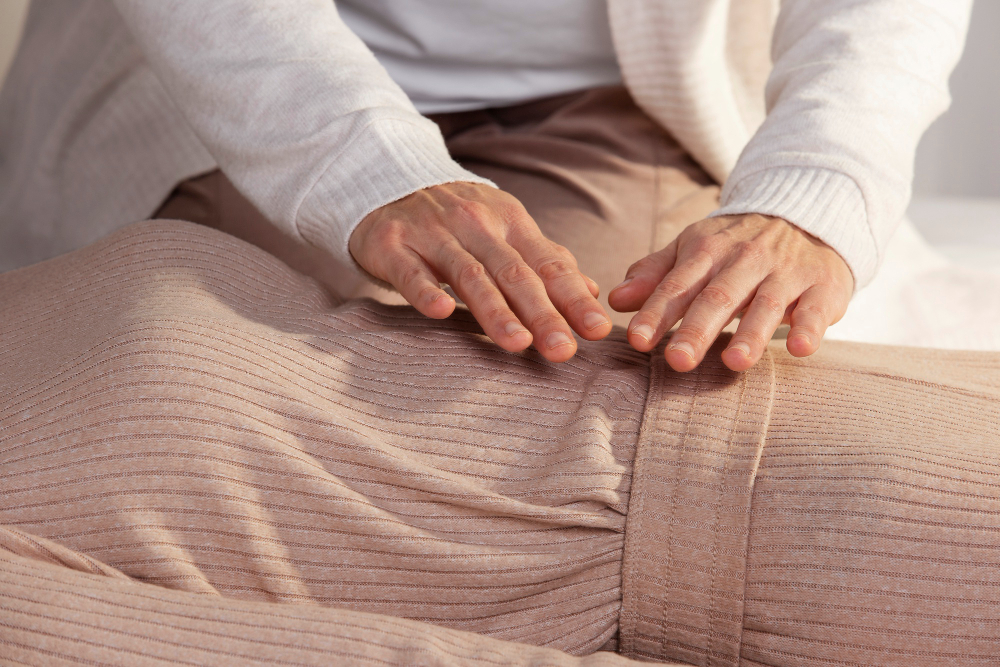
Practitioners of Reiki channel this energy through their hands, either placed gently on or just above the body. Unlike massage or other physical therapies, Reiki involves no manipulation of muscles or tissues. Instead, it works on an energetic level, supporting the body’s innate ability to restore balance and heal itself.
Many people describe Reiki sessions as deeply relaxing, often experiencing warmth, tingling, or a sense of peace. The simplicity of the practice belies its profound effects, particularly when it comes to stress and emotional wellbeing.
- Reiki is a Japanese energy healing practice that supports balance and wellbeing
- It works through the gentle laying on of hands or hands hovering over the body
- Sessions are non-invasive and complement other forms of therapy
- The aim is to restore harmony in mind, body, and spirit
Stress and Its Impact on the Body and Mind
Stress is not just an emotional response—it has real physiological effects on the body. When we are under pressure, the body activates its fight-or-flight response. Adrenaline and cortisol levels rise, heart rate increases, and muscles tense in preparation for action. While this response is useful in emergencies, chronic stress leaves the body stuck in overdrive.
Prolonged stress can lead to headaches, digestive issues, insomnia, anxiety, and even depression. Emotionally, it makes us more reactive, less patient, and prone to feeling overwhelmed. In the long term, unresolved stress can contribute to burnout and physical illness.
Reiki addresses stress at its root by calming the nervous system and restoring balance to the body’s energy flow. Instead of simply managing symptoms, Reiki creates a safe space where the body and mind can reset, allowing for true relaxation and healing.
- Stress triggers the fight-or-flight response, keeping the body in a state of tension
- Chronic stress contributes to physical and emotional health problems
- Emotional strain can manifest as reactivity, anxiety, and low mood
- Reiki helps reset the nervous system, restoring calm and balance
How Reiki Supports Stress Relief
One of the most immediate effects people notice during Reiki sessions is a deep sense of relaxation. The gentle, nurturing energy helps soothe the nervous system, shifting it from the stress-driven sympathetic state into the restorative parasympathetic state. This allows the body to rest, digest, and heal.
By promoting this state of balance, Reiki reduces physical tension, lowers stress hormones, and improves sleep quality. Even a single session can leave people feeling lighter and calmer, while regular sessions build resilience over time. Reiki doesn’t eliminate life’s challenges but helps us meet them from a place of inner calm rather than constant reactivity.
- Promotes deep relaxation by calming the nervous system
- Encourages better sleep and recovery after stressful days
- Reduces physical symptoms of stress such as tension and headaches
- Builds long-term resilience to daily pressures through regular practice
Reiki and Emotional Healing
Emotional wellbeing is at the heart of Reiki. Many people carry unprocessed emotions such as grief, anger, or anxiety, which can become stuck in the body as energetic blockages. Over time, these unresolved emotions create heaviness and can fuel stress, leaving us feeling trapped or disconnected.
Reiki provides a gentle and non-judgemental space where emotions can surface and release naturally. Clients often find themselves experiencing unexpected emotional clarity during or after a session, as if burdens they didn’t realise they were holding have been lifted.
This emotional release is part of what makes Reiki so powerful—it bypasses the analytical mind and works directly with energy, allowing healing without the need to re-live painful memories. It is particularly supportive for people experiencing transitions, loss, or emotional overwhelm.
- Helps release stored emotions without overwhelming the mind
- Creates a safe and supportive environment for emotional processing
- Encourages clarity, lightness, and greater emotional balance
- Supports healing during times of grief, anxiety, or major life changes
Reiki and Trauma Recovery
Trauma can deeply impact the nervous system and emotional resilience. Survivors often feel disconnected from their bodies or experience heightened states of anxiety and fear. Traditional therapies can be helpful, but sometimes words alone cannot reach the depth of trauma’s imprint.
Reiki offers a complementary approach by providing a gentle, non-invasive method of reconnecting with the body. The calming energy helps restore a sense of safety, which is essential for trauma recovery. Because Reiki does not require verbal processing, it can support healing without forcing individuals to revisit painful experiences directly.
In this way, Reiki builds resilience gradually, helping trauma survivors regain trust in their bodies and emotions while easing the intensity of their stress responses.
- Provides a safe, non-verbal space for trauma healing
- Restores a sense of safety and groundedness in the body
- Helps regulate trauma-related anxiety and hypervigilance
- Supports long-term resilience by easing emotional triggers
The Spiritual Dimension of Reiki and Healing
Beyond its physical and emotional benefits, Reiki also has a spiritual dimension that supports resilience. Many clients report a sense of connection to something larger than themselves during sessions—whether that is inner wisdom, peace, or a spiritual presence.
This sense of connection can be deeply healing for those experiencing emotional turmoil. It reminds us that we are not isolated in our struggles but supported by a greater flow of life energy. For some, Reiki becomes a practice of reconnecting to hope, meaning, and a deeper sense of purpose.
- Encourages connection to inner wisdom and spiritual peace
- Restores a sense of meaning during difficult times
- Strengthens hope and faith in healing processes
- Brings a sense of harmony between mind, body, and spirit
Reiki as a Complementary Therapy
Reiki is not a replacement for medical or psychological treatment but works beautifully alongside them. Many people undergoing counselling, physiotherapy, or medical care find Reiki enhances their recovery by reducing stress, improving sleep, and helping them stay emotionally balanced.
It is increasingly being recognised in healthcare settings for its benefits in managing anxiety, reducing pain, and supporting patients through challenging treatments. Its gentle, non-invasive nature makes it suitable for people of all ages and conditions.
- Complements medical and psychological therapies without interference
- Supports patients during medical treatments by reducing stress and pain
- Enhances emotional wellbeing alongside counselling or talking therapies
- Suitable for diverse groups, from children to the elderly
Incorporating Reiki into Daily Life
While Reiki sessions with a practitioner are deeply effective, the principles of Reiki can also be integrated into daily life. Many people learn basic self-Reiki techniques, allowing them to place hands on areas of the body in need of comfort and calm. Even a few minutes of practice can help shift stress and bring focus.
In addition, cultivating mindfulness, breathwork, and grounding practices alongside Reiki strengthens resilience further. The combination creates a lifestyle of balance, where energy is regularly cleared and replenished.
- Practice self-Reiki to soothe yourself during moments of stress
- Combine Reiki with meditation or mindful breathing for daily calm
- Create simple rituals such as placing hands over the heart before sleep
- Build consistency by scheduling regular Reiki sessions
What to Expect in a Reiki Session
For those new to Reiki, knowing what to expect can ease any uncertainty. Sessions typically take place in a quiet, comfortable environment. You remain fully clothed while lying down or sitting in a relaxed position. The practitioner gently places their hands on or just above different areas of your body, following an intuitive flow or traditional sequence.
Most people experience deep relaxation, warmth, or tingling sensations. Some may feel emotions surface, while others simply drift into a peaceful state. Each session is unique, reflecting your body’s needs at the time.
- Sessions are carried out fully clothed in a quiet environment
- The practitioner places hands lightly on or above the body
- Sensations may include warmth, tingling, or emotional release
- The overall experience is one of calm, rest, and renewal
Conclusion
Reiki is much more than a relaxation technique—it is a holistic practice that restores balance, nurtures emotional healing, and builds resilience in the face of stress. By calming the nervous system, clearing emotional blockages, and reconnecting us with our inner peace, Reiki offers a path to healing that is both gentle and profound.
In times of stress and emotional struggle, Reiki creates a sanctuary where body, mind, and spirit can come back into harmony. It reminds us that healing does not always require effort or force; sometimes, it comes from allowing ourselves to receive the nurturing flow of energy that has always been present within us.
Whether used on its own or as a complement to other therapies, Reiki can be a transformative ally in the journey toward emotional balance and stress relief. Its role is not to erase life’s challenges, but to help us meet them with calm, clarity, and resilience.

5 star reviews

Proven results

Holistic healing


REVIEWS
What clients have to say
Ian very quickly addressed issues I was having with just a conversation this is due to his extensive knowledge within the industry. This allowed him to get straight to work on each muscle group to relieve my pain and symptoms.
Everything was easy to understand, and he gave me certain activities to complete, through the day, and prior to going to bed in the evening, and the results are amazing. I am sleeping a lot better, find it easier to fall asleep, but the main thing for me was waking up less through the night.
From the beginning of the therapy my sleep improved and gradually over the sessions my symptoms reduced. By the end of my course of therapy I felt much stronger and empowered to deal with daily life.
If you struggle with food noise or feel like food thoughts dominate your day, I would definitely recommend giving hypnotherapy with Ian a try. It’s been a surprisingly empowering experience.
Hypnotherapy has totally changed my outlook on life and changed me to thinking much more positive. Ian was very professional and his treatment room is a lovely relaxing space. I can’t thank Ian enough for everything.
After a few weeks I felt more positive, relaxed and was sleeping better. I still have some work to do but I feel Ian has provided me with the tools to make positive changes moving forward.
The way Ian explained the root cause and how hypnotherapy could help made sense and I bought into this from day one. I started to feel improvement after my first session and after 3 sessions the difference was massive.
I believe hypnotherapy has helped me to reverse a lot of and allowed my thought patterns to become more positive. This has given me the belief that I will get better.
I saw Ian for four hypnotherapy sessions to help with my long-standing fear of flying, and the results were amazing. He created a calm, supportive environment and guided me through techniques that helped shift my mindset.