
Trying something new can feel both exciting and a little intimidating—especially when it involves a practice you may not fully understand yet. Reiki, a form of energy healing that originated in Japan, is becoming increasingly popular as more people seek holistic ways to manage stress, restore balance, and improve wellbeing. But if you’ve never experienced Reiki before, you may have questions. What will the session involve? How will it feel? And what happens afterwards?
This guide will walk you through everything you can expect from your first Reiki session. From preparation and the initial conversation with your practitioner to the experience itself and the after-effects, you’ll gain a clear picture of what Reiki is like, helping you approach it with openness and confidence.
What Is Reiki?
Reiki is a healing technique developed in the early 20th century by Mikao Usui in Japan. The word “Reiki” combines two Japanese terms: Rei (universal) and Ki (life energy). Practitioners believe that this universal energy flows through all living beings, and when it is balanced and free-flowing, we feel healthy and at ease.
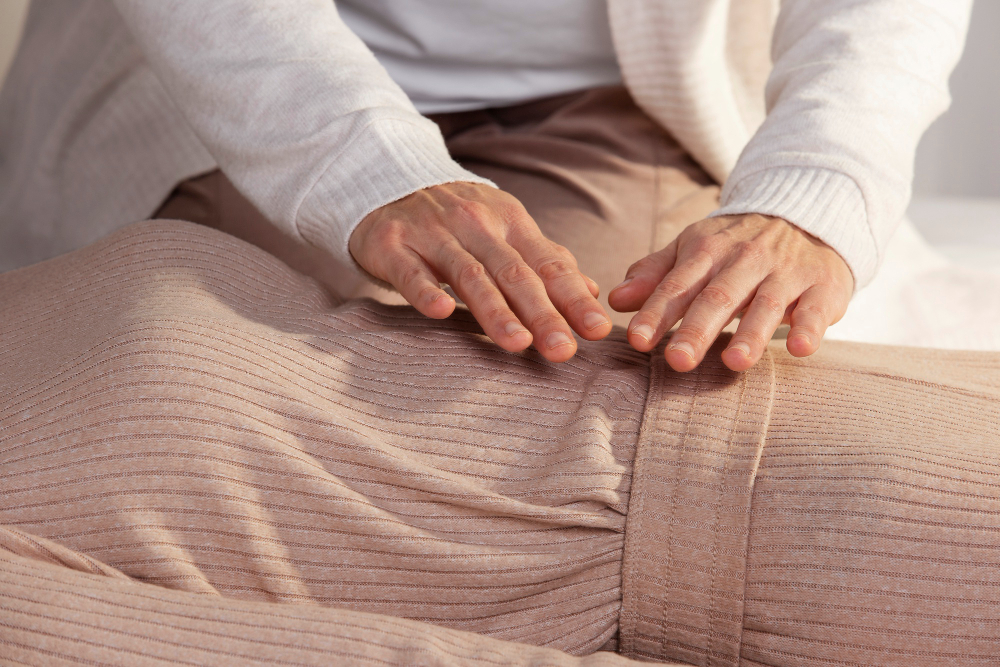
A Reiki practitioner channels this energy through their hands, either placed lightly on the body or held just above it, to support physical, emotional, and spiritual healing. Unlike massage, Reiki does not involve manipulation of muscles or tissues. Instead, it works at a subtle energetic level, encouraging deep relaxation and natural balance.
- A gentle, non-invasive form of energy healing
- Works to balance the body’s energy system
- Involves light touch or hands hovering above the body
- Aims to promote relaxation, clarity, and emotional wellbeing
Preparing for Your First Reiki Session
You don’t need to do anything complicated to prepare for Reiki, but a few simple steps can make the experience more comfortable and meaningful.
First, wear loose, comfortable clothing. Reiki is done fully clothed, so you’ll want to be relaxed. Avoid heavy meals right before your session, as feeling full may make it harder to settle into relaxation. It’s also helpful to arrive with an open mind and no fixed expectations, allowing the experience to unfold naturally.
- Wear comfortable clothing—no need to undress for Reiki
- Eat lightly beforehand and stay hydrated
- Arrive with an open mind and willingness to receive
- Allow time to relax before and after the session
Meeting the Practitioner
When you arrive, your Reiki practitioner will usually begin with a short conversation. This is your chance to discuss any health concerns, emotional challenges, or goals for the session. You might talk about stress, sleep difficulties, physical tension, or simply a desire to feel more balanced.
This conversation also gives you a chance to ask questions. A professional practitioner will explain what to expect, address any concerns, and create a safe and welcoming environment.
- Share your health history and current challenges
- Set intentions or goals for the session
- Ask questions about the process to feel comfortable
- Build trust and rapport with your practitioner
The Reiki Environment
Reiki is typically given in a quiet, peaceful room designed to promote relaxation. You may notice calming music, dim lighting, or soft scents such as lavender. Some practitioners use crystals, incense, or other tools, but these are optional.
You’ll usually be invited to lie down on a massage table, though Reiki can also be given while sitting in a chair if lying down isn’t comfortable. The goal is simply to create a space where you feel safe, supported, and able to let go.
- Sessions take place in a calm, soothing environment
- Music or scents may be used to enhance relaxation
- Most people lie on a comfortable table, but sitting is also possible
- The focus is on creating a safe and nurturing space
The Beginning of the Session
Once you are settled, the practitioner will begin the session by gently placing their hands either lightly on your body or just above it. They typically follow a sequence of hand positions, starting at the head and moving down to the feet, though each practitioner has their own style.
There is no pressure or manipulation, unlike massage. Instead, you may notice a sense of warmth, tingling, or gentle pulsing where their hands are placed. Some people feel nothing at all physically but notice a deep sense of relaxation.
- The practitioner uses gentle touch or hands hovering
- Hand positions usually move from head to feet
- Sensations may include warmth, tingling, or energy flow
- Even if you feel nothing physical, Reiki still works subtly
What Reiki Feels Like
Everyone’s experience of Reiki is unique, but there are common sensations reported during a session. You may feel warmth from the practitioner’s hands, tingling in your body, or a sense of lightness or heaviness. Some people experience waves of calm, while others may drift into a meditative or dreamlike state.
Emotionally, Reiki can bring up feelings of peace, joy, or release. Occasionally, old emotions surface as part of the healing process, which is natural and safe. The key is to simply allow whatever arises without judgment.
- Common sensations: warmth, tingling, heaviness, or lightness
- Some people feel very calm, as though meditating
- Emotions may arise, offering release and healing
- Experiences vary, and all are considered valid
The Role of Intention
Reiki practitioners often speak about the importance of intention. While the energy itself flows where it is needed, setting an intention can focus the session and create a sense of direction. For example, you might hold an intention of stress relief, better sleep, or emotional clarity.
The practitioner may silently set their own intention for your healing, but your openness to the process is equally powerful. Reiki is not about forcing energy but allowing it to flow naturally where it is most needed.
- Intention helps guide the healing energy
- Clients can set intentions such as calm, clarity, or healing
- Practitioners may silently hold supportive intentions
- Reiki flows naturally to where it is needed most
Ending the Session
A Reiki session usually lasts between 45 and 90 minutes. Toward the end, the practitioner will gradually withdraw their hands and allow you a few moments to reorient. They may gently invite you to take some deep breaths, stretch, and slowly return to full awareness.
You may feel deeply relaxed, as though you’ve had a restorative nap. Some people feel energised, while others feel calm and peaceful. It’s common to want a few minutes afterwards to sit quietly and integrate the experience.
- Sessions usually last 45–90 minutes
- Practitioner gently closes the session with quiet transitions
- You may feel calm, refreshed, or deeply relaxed
- Time is given afterwards to reorient and integrate
After the Session
Following a Reiki session, it’s a good idea to drink water, rest if you can, and be gentle with yourself. Some people feel immediate clarity and lightness, while others experience a “healing response,” where emotions or old patterns rise to the surface before settling.
The effects of Reiki often continue unfolding for hours or even days after the session. You may notice better sleep, improved mood, or a deeper sense of connection.
- Drink water and rest to support the healing process
- Be gentle with yourself if emotions arise afterwards
- Effects may continue for days, with improved sleep or clarity
- Journaling or quiet reflection can help integrate insights
Common Misconceptions About Reiki
Before attending your first session, it can help to clear up a few common misconceptions:
- You don’t have to believe in it for it to work – Reiki does not rely on belief, but on energy flow and relaxation.
- It is not religious – Reiki is spiritual but non-denominational, and people of all backgrounds can benefit.
- You remain in control – You are awake and aware throughout the session.
- It doesn’t replace medical care – Reiki supports but does not substitute conventional treatment.
- Reiki works regardless of belief system
- It is spiritual but not tied to religion
- You remain awake and aware at all times
- Best used as a complement to medical care
Benefits of Reiki You May Notice
While each person’s experience is unique, many people report benefits such as reduced stress, improved mood, better sleep, and emotional clarity. Some notice physical improvements, such as reduced pain or tension, while others feel more connected spiritually.
The gentle, non-invasive nature of Reiki makes it accessible to people of all ages and health conditions. Whether you come with a specific concern or simply curiosity, the benefits often extend beyond what you expect.
- Reduces stress and promotes deep relaxation
- Improves sleep and overall energy levels
- Supports emotional healing and resilience
- Encourages spiritual connection and inner peace
How Many Sessions Will You Need?
The number of Reiki sessions you need depends on your goals. For general relaxation, a single session may be enough to feel refreshed. For ongoing concerns like chronic stress, sleep issues, or emotional healing, a series of sessions is usually recommended.
Many people choose to make Reiki a regular part of their self-care routine, attending weekly, biweekly, or monthly sessions. The key is consistency—healing often deepens over time.
- One session may help with relaxation and clarity
- Ongoing concerns often benefit from multiple sessions
- Many people schedule regular Reiki as part of self-care
- Healing effects accumulate with consistency
Conclusion
Your first Reiki session is an opportunity to experience gentle healing in a safe, supportive environment. From the moment you meet your practitioner to the time you leave, the focus is on relaxation, balance, and allowing energy to flow where it is most needed.
You may feel warmth, calm, or emotional release—or you may simply feel rested and refreshed. There is no right or wrong way to experience Reiki. What matters is that you remain open to the process and allow it to support your wellbeing.
Reiki is not about instant cures but about restoring harmony to the body, mind, and spirit. By knowing what to expect, you can step into your first session with confidence and curiosity, ready to discover the unique benefits this gentle practice has to offer.

5 star reviews

Proven results

Holistic healing


REVIEWS
What clients have to say
Everything was easy to understand, and he gave me certain activities to complete, through the day, and prior to going to bed in the evening, and the results are amazing. I am sleeping a lot better, find it easier to fall asleep, but the main thing for me was waking up less through the night.
If you struggle with food noise or feel like food thoughts dominate your day, I would definitely recommend giving hypnotherapy with Ian a try. It’s been a surprisingly empowering experience.
Hypnotherapy has totally changed my outlook on life and changed me to thinking much more positive. Ian was very professional and his treatment room is a lovely relaxing space. I can’t thank Ian enough for everything.
Ian very quickly addressed issues I was having with just a conversation this is due to his extensive knowledge within the industry. This allowed him to get straight to work on each muscle group to relieve my pain and symptoms.
From the beginning of the therapy my sleep improved and gradually over the sessions my symptoms reduced. By the end of my course of therapy I felt much stronger and empowered to deal with daily life.
The way Ian explained the root cause and how hypnotherapy could help made sense and I bought into this from day one. I started to feel improvement after my first session and after 3 sessions the difference was massive.
After a few weeks I felt more positive, relaxed and was sleeping better. I still have some work to do but I feel Ian has provided me with the tools to make positive changes moving forward.
I saw Ian for four hypnotherapy sessions to help with my long-standing fear of flying, and the results were amazing. He created a calm, supportive environment and guided me through techniques that helped shift my mindset.
I believe hypnotherapy has helped me to reverse a lot of and allowed my thought patterns to become more positive. This has given me the belief that I will get better.