
When it comes to relaxation, pain relief, and emotional balance, both Reiki and massage therapy are popular options. Yet while they may seem similar on the surface, these two healing methods are based on very different principles. If you’re wondering which treatment is right for your body, mind, or current concerns, understanding the distinction between Reiki and massage can help you make a more informed decision.
In this guide, we’ll explore what Reiki and massage therapy involve, how they differ, what conditions they support, and how to decide which approach best suits your needs. Whether you’re dealing with physical tension, emotional stress, or simply want to feel more in tune with your body, this comparison will give you the clarity you need.
What Is Massage Therapy?
Massage therapy is a hands-on treatment that focuses on manipulating the body’s soft tissues—primarily muscles, tendons, ligaments, and fascia. It is widely used to relieve pain, reduce muscle tension, improve circulation, and enhance flexibility. There are many different styles of massage, ranging from gentle Swedish massage to deep tissue or sports massage.
Massage therapy is grounded in anatomy and physiology, and its effects are largely physical. However, many clients also experience mental and emotional benefits, such as reduced anxiety and improved sleep, due to the deep relaxation it promotes.
Key goals of massage therapy include:
- Reducing muscle tightness and soreness
- Improving range of motion
- Enhancing circulation and lymphatic drainage
- Aiding recovery after injury or exercise
- Promoting overall relaxation and well-being
Massage is suitable for a wide range of clients—from athletes to office workers, from those with chronic pain to anyone experiencing general stress.
What Is Reiki?
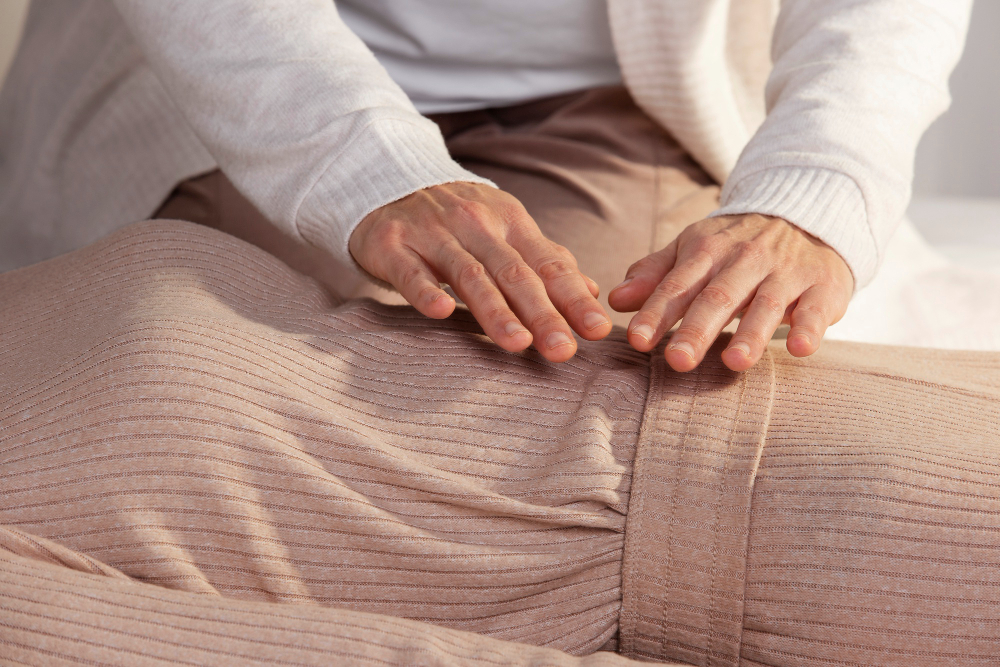
Reiki is a form of energy healing that originated in Japan. Unlike massage, it does not involve manipulation of the muscles or soft tissues. Instead, Reiki practitioners use light touch or hover their hands over the body to direct energy and support the body’s natural ability to heal.
The word “Reiki” means “universal life energy”. According to Reiki philosophy, illness and imbalance arise when energy flow is disrupted or blocked. Reiki aims to rebalance this energy, clear blockages, and restore harmony across the physical, emotional, and spiritual levels.
During a Reiki session, clients remain fully clothed and often lie quietly on a massage table while the practitioner places their hands gently over different areas of the body. The experience is usually deeply calming, and many people report a sensation of warmth, tingling, or emotional release.
Core benefits of Reiki may include:
- Deep relaxation and emotional grounding
- Reduction in stress, anxiety, or low mood
- Enhanced energy flow and spiritual awareness
- Gentle support for healing during illness or recovery
- Improved sleep and clarity of mind
Reiki is often used alongside other therapies and is suitable for people of all ages, including those with sensitive conditions or low energy.
Key Differences Between Reiki and Massage Therapy
Though both Reiki and massage aim to promote healing and balance, they take different approaches and affect the body in distinct ways.
Physical Contact and Technique
- Massage: Involves firm, physical manipulation of muscles using kneading, stroking, and pressure.
- Reiki: Uses minimal to no physical touch. Hands are placed lightly or hovered over the body.
Area of Focus
- Massage: Primarily works on the physical body—muscles, tissues, and joints.
- Reiki: Focuses on the energetic body—aiming to shift blocked or stagnant energy.
Basis of Treatment
- Massage: Based on anatomy and physiology. It targets knots, adhesions, and tightness.
- Reiki: Based on energy flow, intuition, and holistic principles.
Client Experience
- Massage: May involve some discomfort during deep tissue work. Often described as invigorating or relieving.
- Reiki: Usually feels gentle, meditative, and emotionally calming.
Suitability
- Massage: Ideal for physically active clients or those with muscular complaints.
- Reiki: Suitable for those feeling emotionally drained, anxious, or seeking inner balance.
When Should You Choose Massage Therapy?
Massage therapy may be the better option if you’re experiencing:
- Chronic muscle tightness or tension
- Back pain, neck pain, or joint stiffness
- Post-exercise soreness or fatigue
- Reduced mobility or flexibility
- Sports-related injuries or overuse syndromes
- Stress manifesting as physical tension or poor posture
Massage can also benefit people who spend long hours sitting, driving, or using computers, as these activities often lead to poor posture and muscular strain. Additionally, regular massage can help with injury prevention and maintenance for active individuals.
If you want hands-on support for physical pain and mobility, massage is often the most direct and practical route.
When Should You Choose Reiki?
Reiki may be the preferred choice if you’re dealing with:
- Persistent stress or anxiety
- Emotional exhaustion or burnout
- Difficulty sleeping or relaxing
- Low mood, grief, or spiritual imbalance
- Chronic illness with limited tolerance for physical touch
- A desire to reconnect with your body or energy
Because Reiki is so gentle, it’s especially helpful for people who are highly sensitive, overwhelmed, or going through major life changes. It’s also ideal for those recovering from surgery, trauma, or illness who may not be ready for manual therapies.
Reiki is not a replacement for medical treatment but can be used alongside other approaches to support emotional resilience and energetic healing.
Can You Combine Reiki and Massage?
Absolutely—and many people find that combining Reiki with massage offers a powerful, holistic experience. While massage works directly on the muscles and physical body, Reiki helps to release emotional blocks and calm the mind. Together, they provide a multi-layered approach to well-being.
A combined session may look like this:
- Starting with massage to release physical tension
- Transitioning to Reiki to encourage deep emotional relaxation
- Ending the session feeling calm, aligned, and rebalanced
Combined therapy sessions are particularly helpful for those dealing with both mental and physical stress—such as chronic pain with an emotional component, or anxiety that causes physical tension.
Personal Preference and Sensitivity
Another factor to consider is your personal preference. Some people love the tactile experience of massage and respond well to pressure. Others prefer the gentle, non-invasive nature of Reiki.
If you’re unsure, ask yourself:
- Do I want physical relief or emotional release?
- Am I comfortable being touched or do I prefer subtle energy work?
- Do I feel drained, sore, anxious, or all of the above?
- Am I open to alternative approaches, or looking for something more clinical?
You don’t have to commit to just one therapy. Many practitioners offer both, allowing you to try different approaches and see what resonates most.
Case Examples: Choosing Based on Need
Case 1: Office Worker with Upper Back Pain and Anxiety
A massage may target the physical tightness in the neck and shoulders, while Reiki helps with underlying anxiety from work stress. A combined session could offer both relief and relaxation.
Case 2: Bereavement and Emotional Burnout
In this case, Reiki may be more appropriate as a starting point. It provides a safe space for emotional release without the intensity of physical manipulation.
Case 3: Active Gym-Goer with Leg Muscle Fatigue
Massage therapy is the go-to here—especially sports massage techniques that focus on muscle recovery, flexibility, and injury prevention.
Case 4: Fibromyalgia with Muscle Soreness and Sleep Issues
A gentle massage combined with Reiki may offer physical relief without overstimulation. Reiki can also promote deeper sleep and emotional balance.
How to Get the Most Out of Your Therapy
Whether you choose massage, Reiki, or both, there are a few ways to enhance the experience:
- Arrive hydrated and without caffeine to support relaxation
- Avoid eating heavily right before your session
- Set a clear intention—physical relief, emotional balance, or both
- Communicate openly with your therapist about your needs
- Allow time after your session to rest and integrate
The effects of both therapies tend to build over time. While a single session can be powerful, regular treatments offer deeper, longer-lasting benefits.
Conclusion: Listen to Your Body, Mind, and Energy
There’s no one-size-fits-all answer when it comes to Reiki vs. massage. Each therapy offers unique benefits, and the best choice often depends on your current state—physically, emotionally, and energetically.
Massage is a powerful tool for treating physical discomfort and enhancing performance. Reiki, on the other hand, supports deep emotional release, spiritual balance, and mental clarity. If your symptoms are rooted in stress, trauma, or energy imbalance, Reiki might offer what massage can’t. And if you’re carrying muscular pain or stiffness, massage can bring the hands-on relief you’re craving.
The good news? You don’t have to choose just one. At Hope Hypnotherapy & Sports Massage, we offer both Reiki and massage as standalone treatments or combined sessions—designed to treat the whole person, not just the symptoms.
Ready to explore what your body and mind need most? Book your session today and begin your journey toward balance, clarity, and well-being.

5 star reviews

Proven results

Holistic healing


REVIEWS
What clients have to say
Hypnotherapy has totally changed my outlook on life and changed me to thinking much more positive. Ian was very professional and his treatment room is a lovely relaxing space. I can’t thank Ian enough for everything.
Ian very quickly addressed issues I was having with just a conversation this is due to his extensive knowledge within the industry. This allowed him to get straight to work on each muscle group to relieve my pain and symptoms.
If you struggle with food noise or feel like food thoughts dominate your day, I would definitely recommend giving hypnotherapy with Ian a try. It’s been a surprisingly empowering experience.
Everything was easy to understand, and he gave me certain activities to complete, through the day, and prior to going to bed in the evening, and the results are amazing. I am sleeping a lot better, find it easier to fall asleep, but the main thing for me was waking up less through the night.
From the beginning of the therapy my sleep improved and gradually over the sessions my symptoms reduced. By the end of my course of therapy I felt much stronger and empowered to deal with daily life.
I saw Ian for four hypnotherapy sessions to help with my long-standing fear of flying, and the results were amazing. He created a calm, supportive environment and guided me through techniques that helped shift my mindset.
After a few weeks I felt more positive, relaxed and was sleeping better. I still have some work to do but I feel Ian has provided me with the tools to make positive changes moving forward.
I believe hypnotherapy has helped me to reverse a lot of and allowed my thought patterns to become more positive. This has given me the belief that I will get better.
The way Ian explained the root cause and how hypnotherapy could help made sense and I bought into this from day one. I started to feel improvement after my first session and after 3 sessions the difference was massive.